Reef-Safe Fish and Invertebrates
What “reef safe” means, which families tend to nip corals or eat shrimp, and live lists of our fish and invertebrates sorted by reef safety.
Updated October 25, 2026 · 12 min read
A reef tank is built around corals, so the first question about any new fish or invertebrate is whether it will leave them alone. This guide explains what the “reef safe” label promises, which animals cause the most trouble, and how to keep the borderline ones. The lists further down sort every fish and invertebrate in our Species Guide by its reef-safe rating.
What “reef safe” means
An animal is called reef safe when it will not eat or nip corals and other sessile invertebrates. Sessile means fixed in one place: corals, giant clams, feather dusters and other tube worms, and sponges.
The label is about corals. It does not mean an animal is safe with every shrimp, snail, crab or small fish. The Orchid Dottyback is a good example: it is rated reef safe, yet it preys on small ornamental shrimp and fanworms. Read the notes in each species guide, not just the rating.


The “with caution” middle ground
Many popular animals fall between safe and unsafe. We call them reef safe with caution: most individuals leave corals alone, but some nip, and you cannot tell which kind you have when you buy it. The same species can behave differently from one tank to the next because of:
- The individual. Some fish simply develop a taste for coral polyps or clam mantles (the fleshy edge of a clam).
- Hunger. An underfed fish or crab is far more likely to start picking at corals.
- Tank size. A small tank has less natural food to graze, so a fish is more likely to turn to your corals.
- Time. An animal that behaved well for months can change its habits later.
Common culprits
Some groups have a reputation for trouble. Every group has exceptions, so check the species guide before you rule an animal in or out.
- Large angelfish are generally not kept in reefs because they tend to nip corals and clams. The plankton-eating swallowtail angels (Genicanthus) are the main exception.
- Dwarf angelfish (the genus Centropyge) are the classic “with caution” fish. They can nip large-polyp stony (LPS) corals, zoanthids and clam mantles. Our Coral Beauty and Flame Angelfish are both in this group.
- Butterflyfish are mostly coral eaters; many species feed mainly on coral polyps. Only a few are considered reasonable reef choices.
- Triggerfish are mostly strong predators that eat invertebrates and smaller fish. Only a few plankton-eating species are tried in reefs.
- Puffers are better suited to fish-only tanks. Their beak-like teeth crush shrimp, snails and other invertebrates.
- Wrasses vary widely. Many are coral safe but hunt small invertebrates. The Six Line Wrasse and Melanurus Wrasse ignore corals but can eat small shrimp and worms.
- Hawkfish rarely bother corals, but they hunt small crustaceans, so ornamental shrimp are at risk. They also like to perch on corals, which can stop a favorite perch from opening.
- Some crabs are opportunists. A hungry Emerald Crab, especially a large one, may pick at coral polyps.
Even cleanup-crew favorites can misbehave. The Peppermint Shrimp leaves most corals alone, but hungry ones have been seen picking at zoanthids and fleshy LPS.
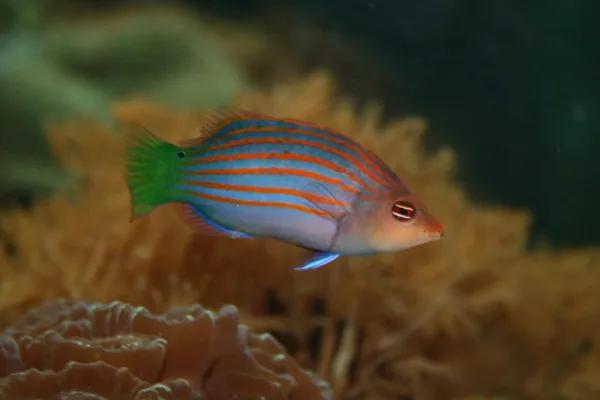 Six Line WrassePseudocheilinus hexataenia
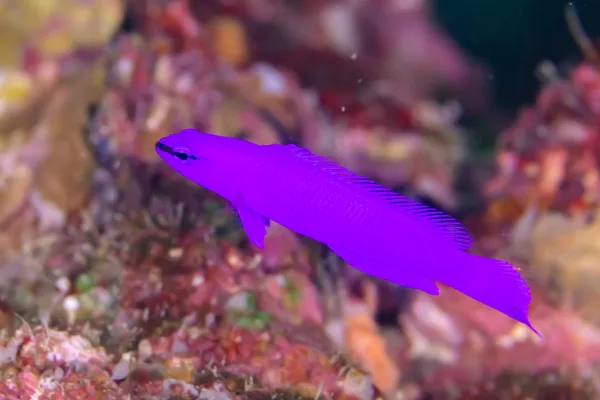 Orchid DottybackPseudochromis fridmani
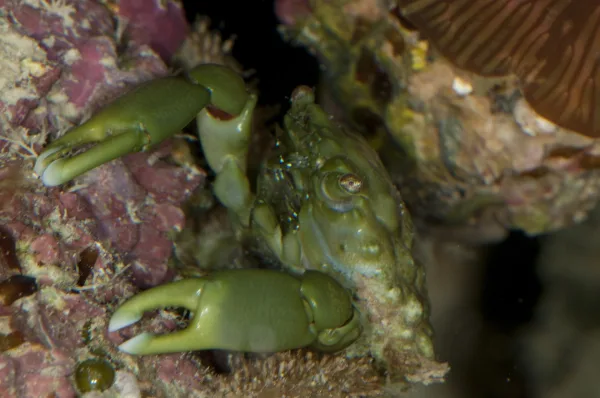 Emerald CrabMithraculus sculptus
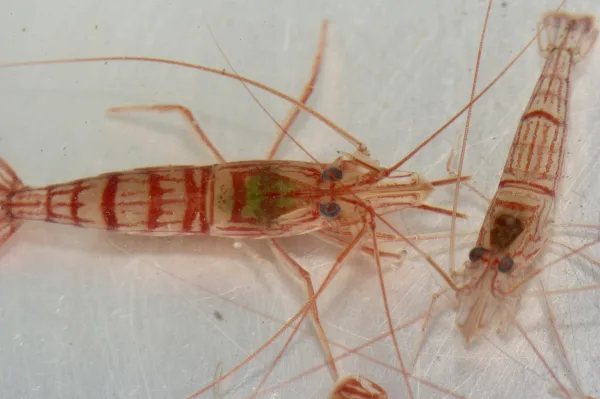 Peppermint ShrimpLysmata wurdemanni

Which risk matters more depends on what you keep. A coral eater damages the reef itself; an invertebrate eater leaves corals alone but may slowly clear out your shrimp, snails or worms. A tank full of clams and fleshy LPS is no place for a nippy angelfish, but it may suit a wrasse if you don’t keep small shrimp.
Keeping a “with caution” animal
Plenty of hobbyists keep dwarf angels with corals. These steps improve your odds:
- Feed well. Offer several small meals a day of meaty and algae-based foods. Clip a sheet of nori (dried seaweed) in the tank so grazers always have something to pick at.
- Add them last. A fish added after the others has less chance to claim the whole tank as its territory.
- Choose corals carefully. Around dwarf angels, avoid the likeliest targets: fleshy LPS, zoanthids and clams.
- Watch closely, especially in the first few weeks. A coral that stays closed while your water tests look fine may be getting picked at.
- Have a plan. Know how you will catch the animal (a fish trap helps) and where it will go before you need to.

How these lists are built
The lists below come from the reef-safe rating in each of our species guides, so they update whenever a guide changes. Each entry shows the species, its temperament and the first sentence of its reef-safety notes. Read the full guide before you buy, because the details live there.
Still planning your tank? Start with how to start a saltwater aquarium and the best saltwater fish for beginners, or use the reef-safe filter in the Species Guide.

Fish
These are the fish in our Species Guide, grouped by how safe they are with corals. Check the notes for small shrimp and other invertebrates.

Reef safe 30
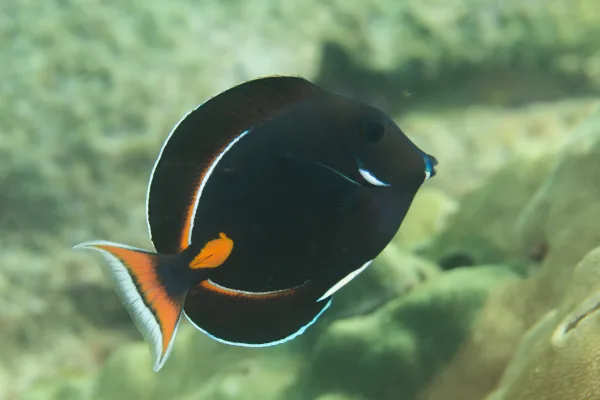
Achilles Tang Acanthurus achilles Semi-aggressive
Leaves corals and invertebrates alone and grazes algae from the rock. More
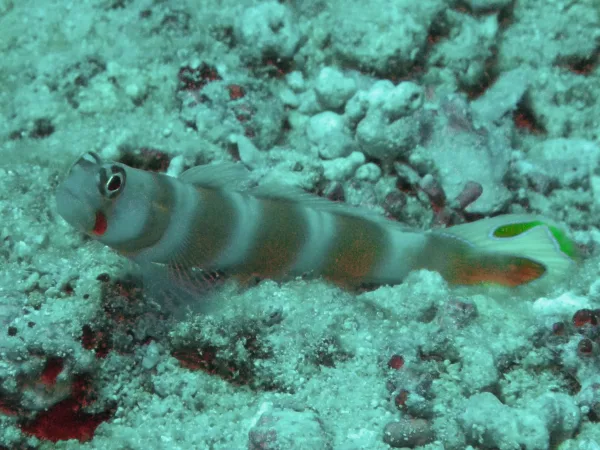
Aurora Goby Amblyeleotris aurora Peaceful
Leaves corals, clams and other invertebrates alone (Reef Exclusive). More
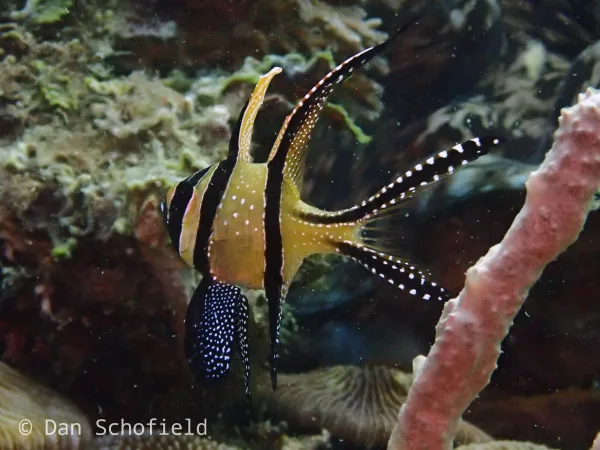
Banggai Cardinalfish Pterapogon kauderni Peaceful
Coral safe and leaves sessile invertebrates alone. More
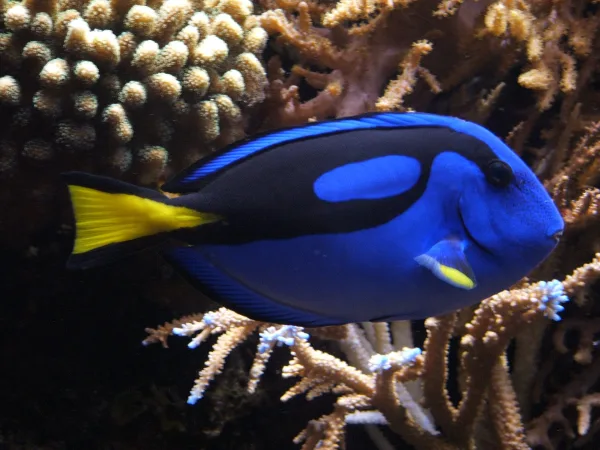
Blue Hippo Tang Paracanthurus hepatus Semi-aggressive
Does not eat corals or invertebrates and is kept in many reef aquariums. More
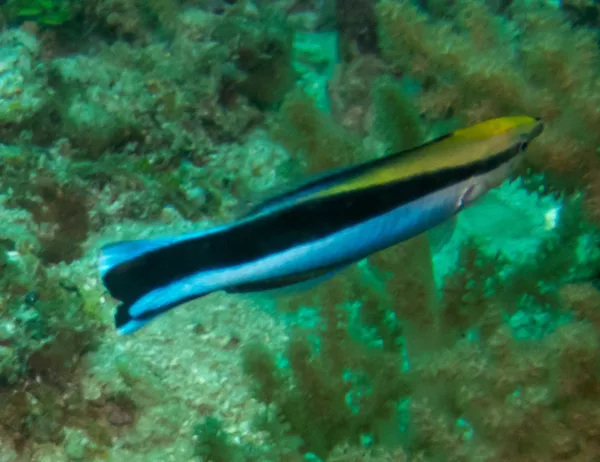
Bluestreak Cleaner Wrasse Labroides dimidiatus Peaceful
Leaves corals and most invertebrates alone; LiveAquaria and Aquatic Sunlimited list it as reef compatible. More
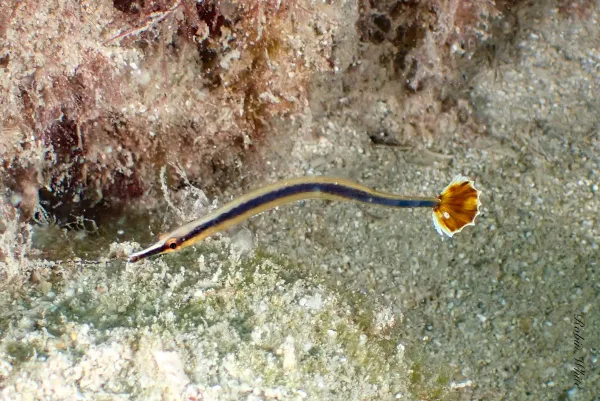
Bluestripe Pipefish Doryrhamphus excisus Peaceful
Harmless to corals and invertebrates. More
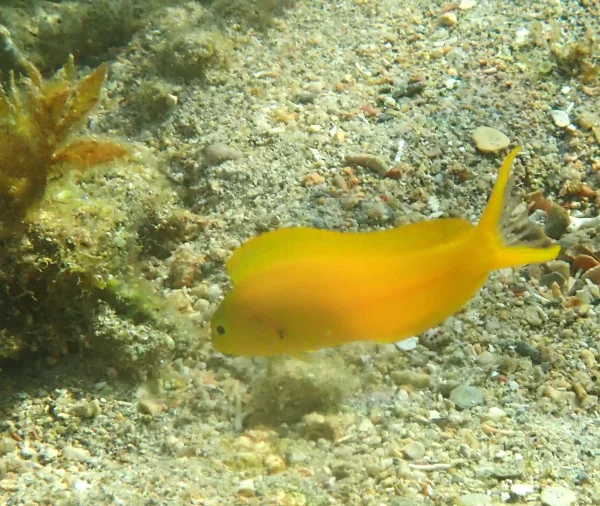
Canary Blenny Meiacanthus oualanensis Peaceful
Will not disturb corals or other invertebrates (Bulk Reef Supply); LiveAquaria lists it as reef compatible.
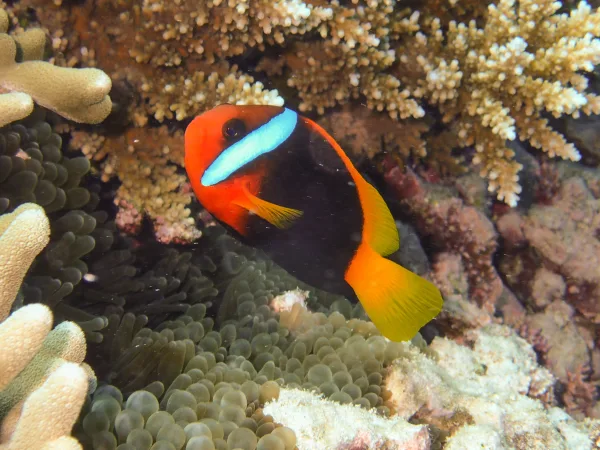
Cinnamon Clownfish Amphiprion melanopus Semi-aggressive
Does not eat corals or invertebrates. More
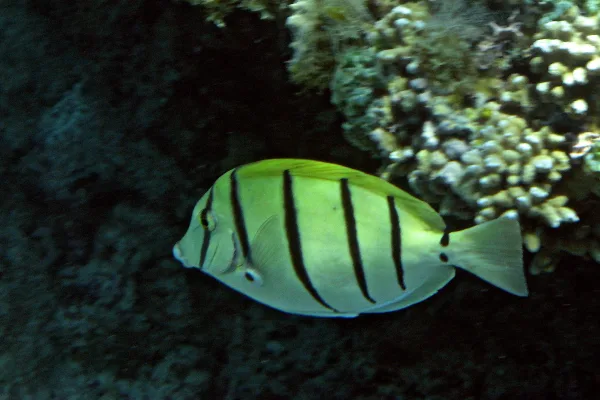
Convict Tang Acanthurus triostegus Semi-aggressive
Grazes algae and leaves corals and invertebrates alone; LiveAquaria, Quality Marine and Top Shelf Aquatics all list it as reef safe, and Reef Builders says it does especially well in reef tanks with live rock to graze. More
Domino Damselfish Dascyllus trimaculatus Aggressive
Leaves corals and most invertebrates alone, though it may pick at small bottom-dwelling crustaceans. More
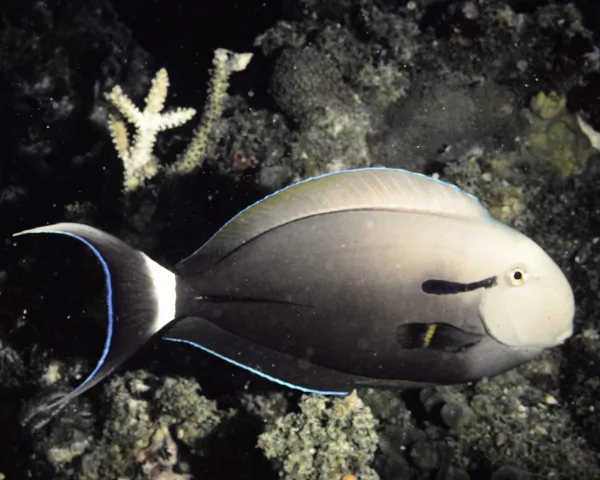
Epaulette Surgeonfish Acanthurus nigricauda Semi-aggressive
Does not eat corals; it grazes film from sand and rock. More
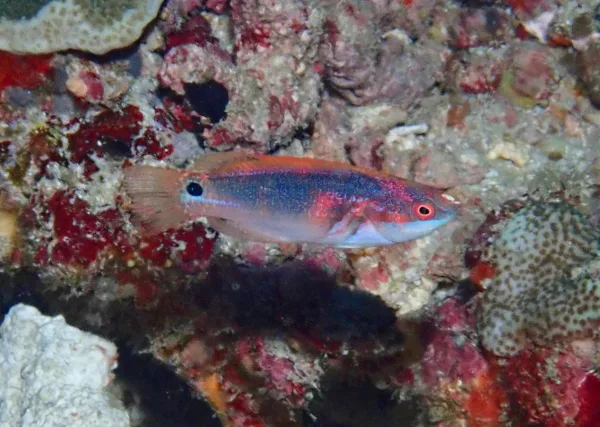
Exquisite Wrasse Cirrhilabrus exquisitus Peaceful
Does not bother corals, clams or other invertebrates, so it suits reef tanks. More
Fairy Wrasse Cirrhilabrus sp. Peaceful
Fairy wrasses do not harm corals, clams or other sessile invertebrates, and they do not dig in the sand. More
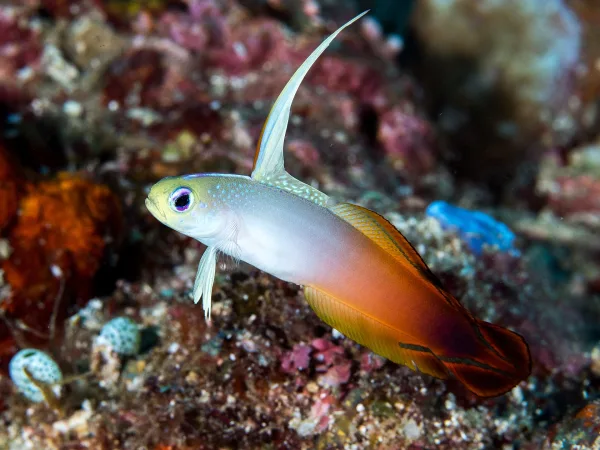
Firefish Goby Nemateleotris magnifica Peaceful
Ignores corals, clams, shrimp, crabs and snails. More
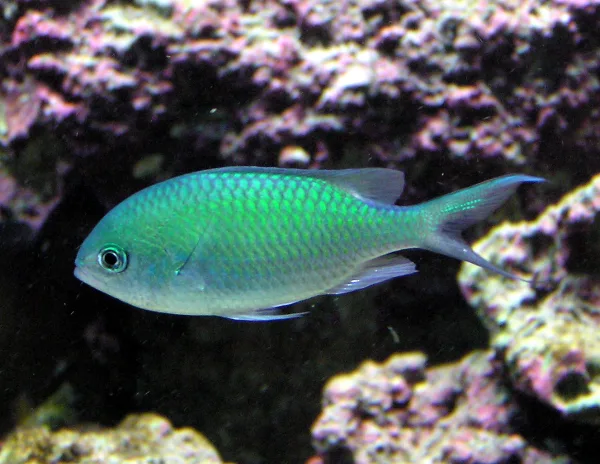
Green Chromis Chromis viridis Peaceful
Completely reef safe: it eats plankton and prepared foods and ignores corals, clams and other invertebrates.
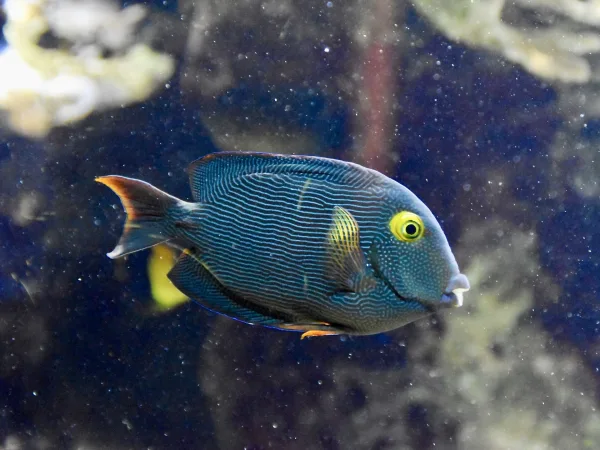
Kole Tang Ctenochaetus strigosus Semi-aggressive
Does not harm corals or other sessile invertebrates. More
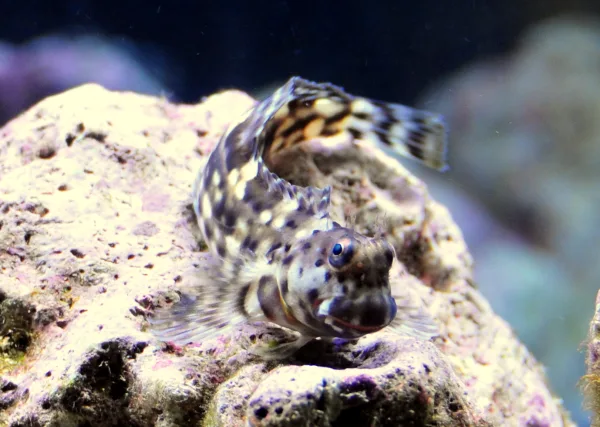
Lawnmower Blenny Salarias fasciatus Peaceful
Generally safe with corals and invertebrates. More
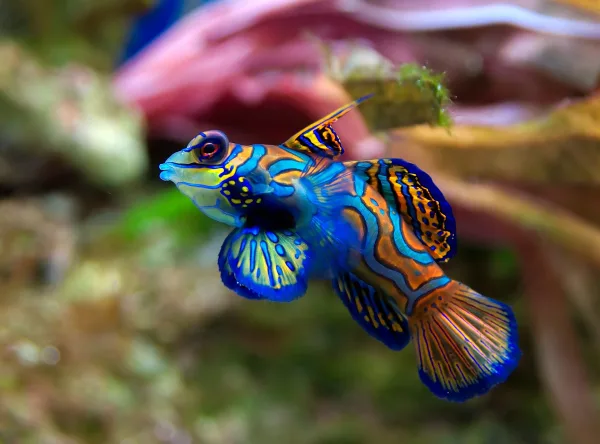
Mandarin Dragonet Synchiropus splendidus Peaceful
Completely safe with corals, clams and ornamental invertebrates. More
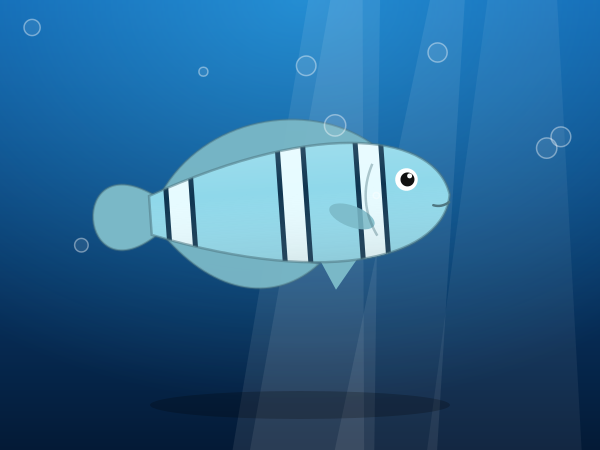
Maroon Clownfish Amphiprion biaculeatus Aggressive
Does not eat corals or invertebrates. More
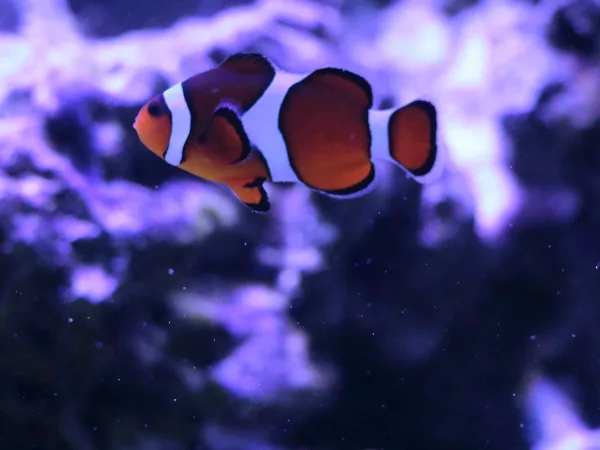
Ocellaris Clownfish Amphiprion ocellaris Peaceful
Does not eat corals or invertebrates. More
Orchid Dottyback Pseudochromis fridmani Semi-aggressive
Safe with corals, but it preys on small ornamental shrimp, fanworms and bristleworms (Fishkeeper, ReefApp), and Quality Marine notes it has been known to eat mantis shrimp. More
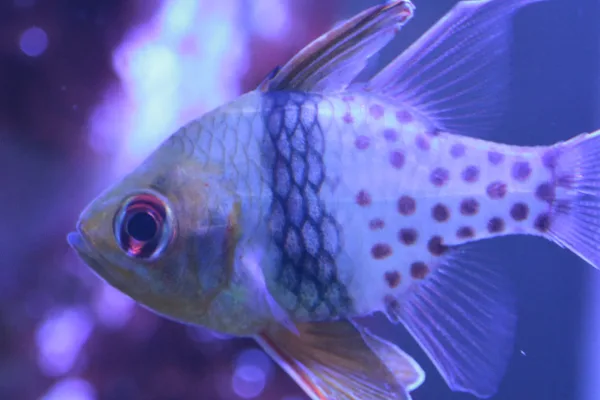
Pajama Cardinalfish Sphaeramia nematoptera Peaceful
Does not touch corals, clams or other sessile invertebrates. More
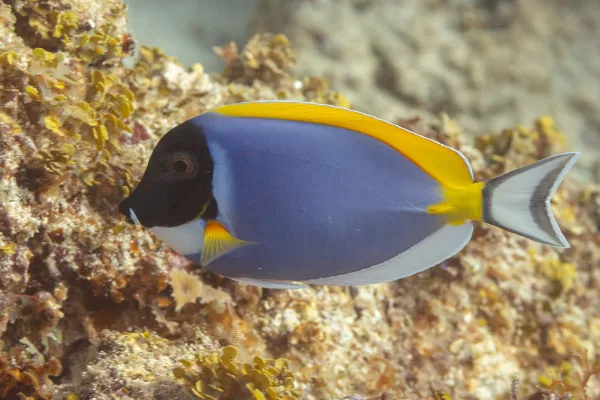
Powder Blue Tang Acanthurus leucosternon Semi-aggressive
Does not eat corals or invertebrates. More
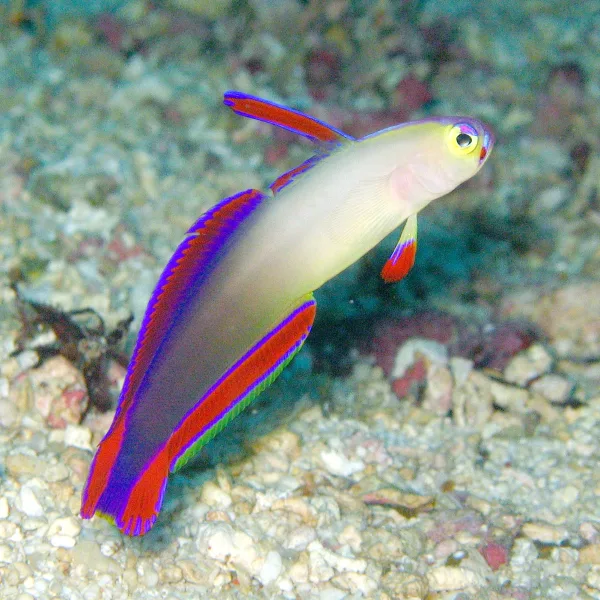
Purple Firefish Nemateleotris decora Peaceful
Does not nip corals, clams or ornamental invertebrates. More
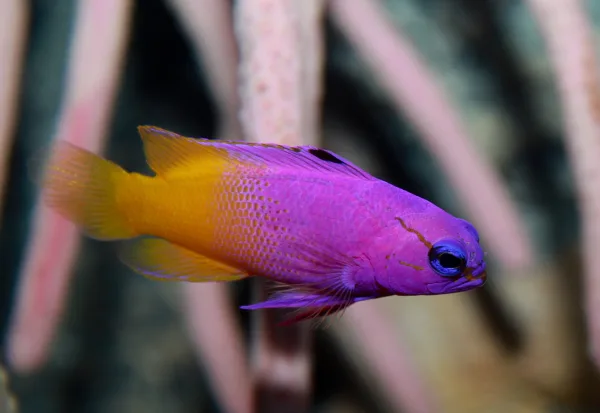
Royal Gramma Gramma loreto Peaceful
Ignores corals and clams. More
Six Line Wrasse Pseudocheilinus hexataenia Semi-aggressive
Leaves corals, clams and other sessile invertebrates alone. More
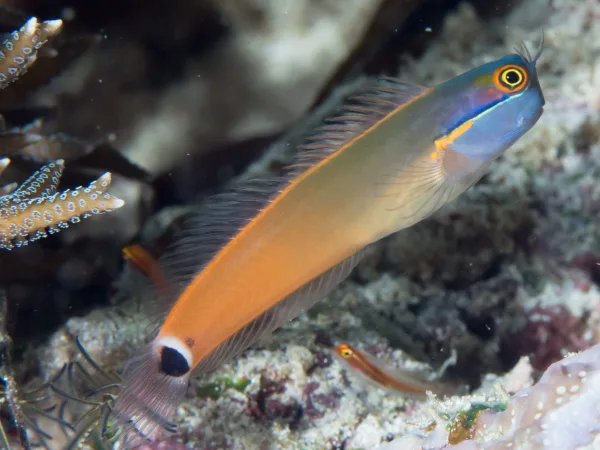
Tailspot Blenny Ecsenius stigmatura Peaceful
Generally reef safe and listed as reef compatible by LiveAquaria. More
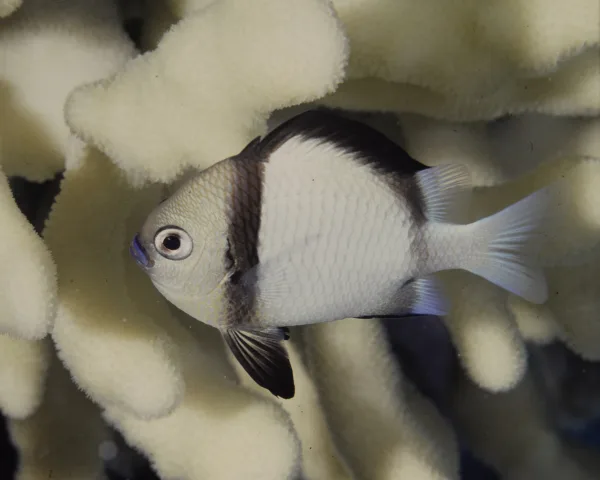
Two Stripe Damselfish Dascyllus reticulatus Aggressive
No threat to corals or invertebrates (LiveAquaria, Reef Builders), which makes it a good candidate for a reef tank. More
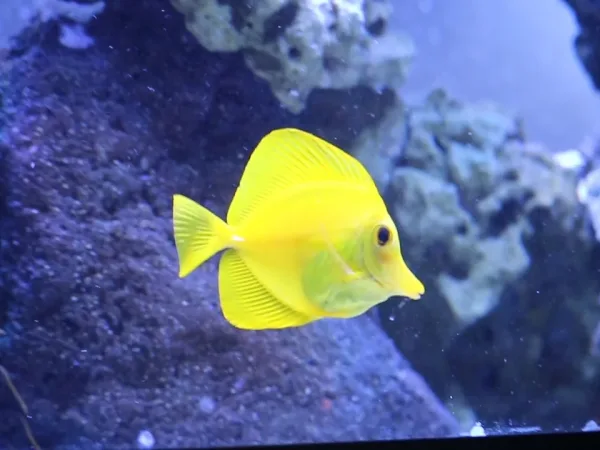
Yellow Tang Zebrasoma flavescens Semi-aggressive
Does not eat corals, clams, shrimp, crabs or snails. More
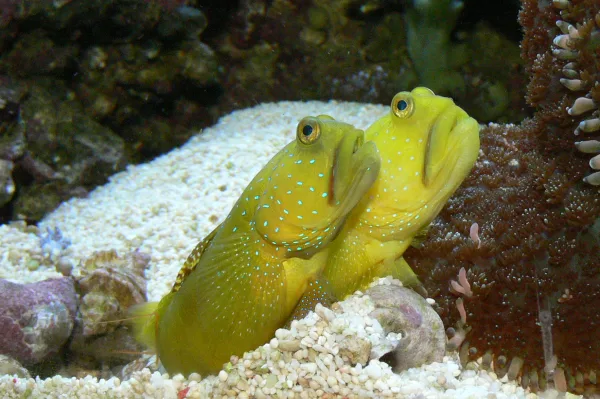
Yellow Watchman Goby Cryptocentrus cinctus Peaceful
Leaves corals, clams and most invertebrates alone. More
Reef safe with caution 9
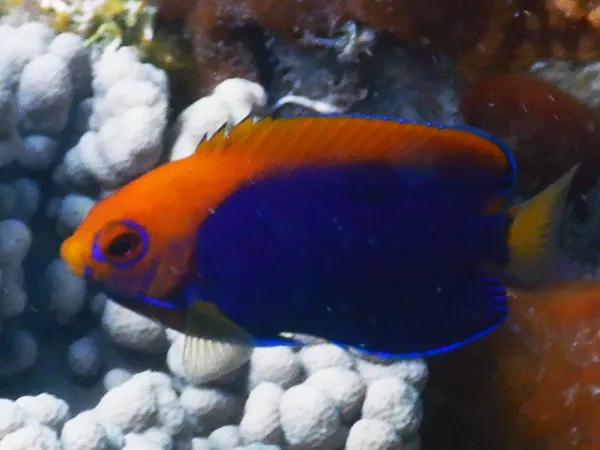
African Flameback Angelfish Centropyge acanthops Semi-aggressive
LiveAquaria says that on occasion it may nip SPS and some polyp corals. More
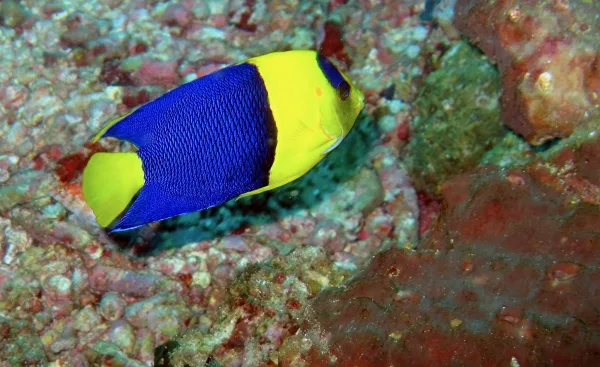
Bicolor Angelfish Centropyge bicolor Semi-aggressive
LiveAquaria calls it 'not a good reef dweller' because it tends to nip stony and soft corals and clam mantles, and Quality Marine says it may pick at both mobile and sessile invertebrates. More
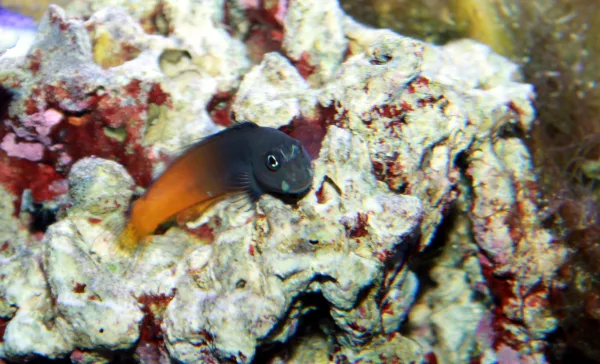
Bicolor Blenny Ecsenius bicolor Peaceful
It mostly grazes algae, but LiveAquaria notes it may nip clam mantles and fleshy large-polyp stony (LPS) corals when underfed, and aquarists on Meerwasser-Lexikon report individuals chewing holes in Acropora and eating Montipora digitata polyps. More
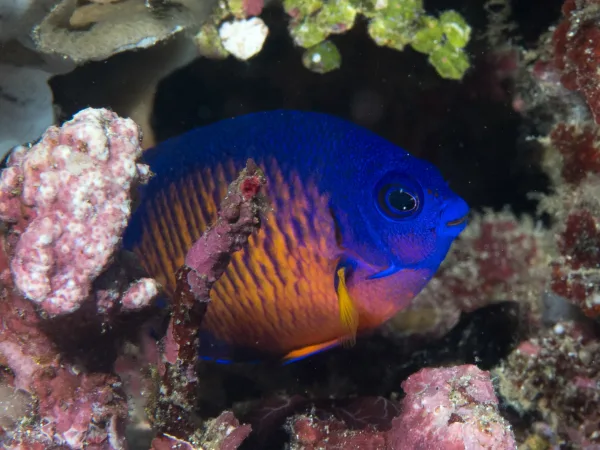
Coral Beauty Angelfish Centropyge bispinosa Semi-aggressive
It grazes, picks and nibbles all day, and that habit can damage coral polyps and other sessile invertebrates or stop them from opening fully. More
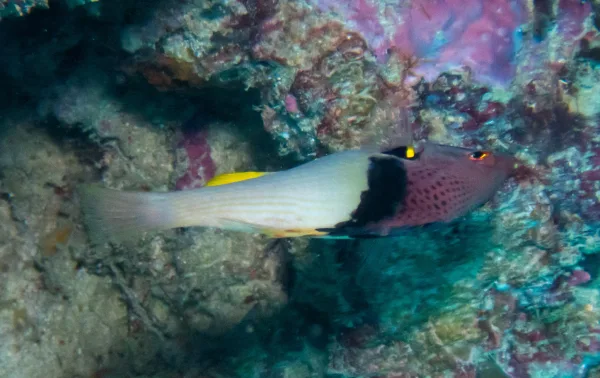
Coral Hogfish Bodianus mesothorax Semi-aggressive
Leaves most corals alone but becomes less invertebrate-safe as it grows. More
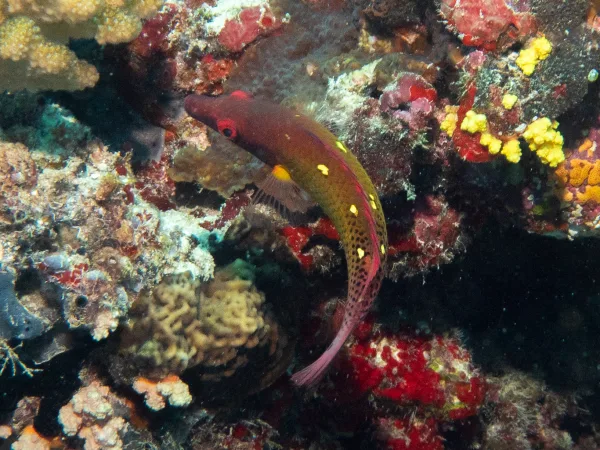
Diana's Hogfish Bodianus diana Aggressive
Usually leaves corals alone, but it is not invertebrate-safe. More
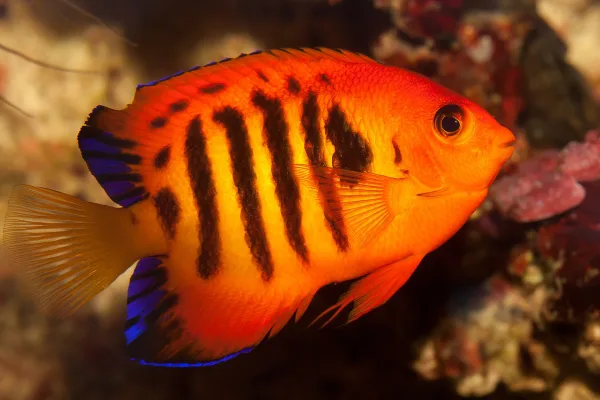
Flame Angelfish Centropyge loriculus Semi-aggressive
Many flame angels live with corals without causing trouble, but any individual may start nipping large-polyp stony corals, zoanthids, soft coral polyps, other sessile invertebrates and tridacnid clam mantles. More
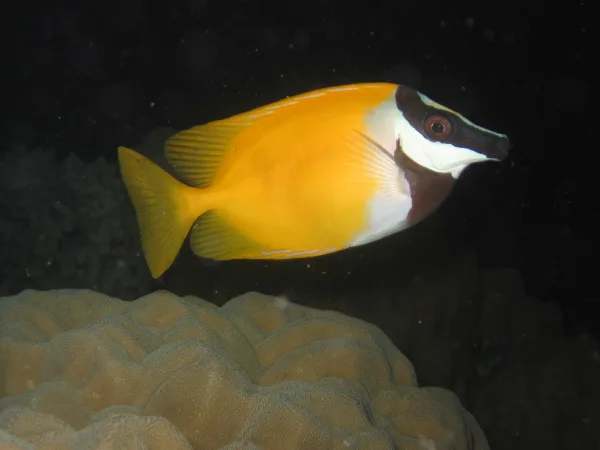
Foxface Rabbitfish Siganus vulpinus Peaceful
Most well-fed foxfaces ignore corals and help control nuisance algae, but some individuals nip at fleshy LPS and soft coral polyps, especially when hungry. More
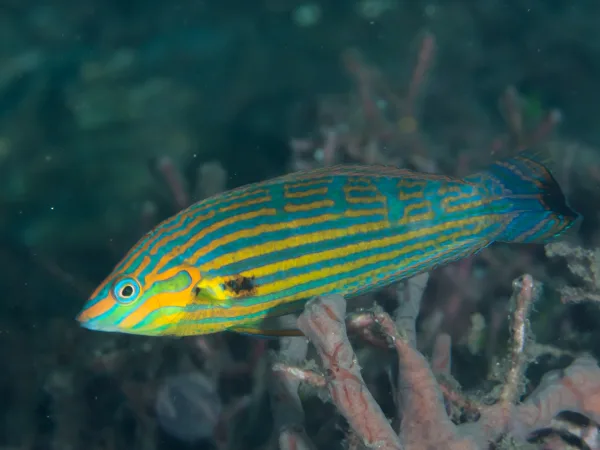
Melanurus Wrasse Halichoeres melanurus Peaceful
Reliable with corals, but it hunts small mobile invertebrates. More
Not reef safe 10
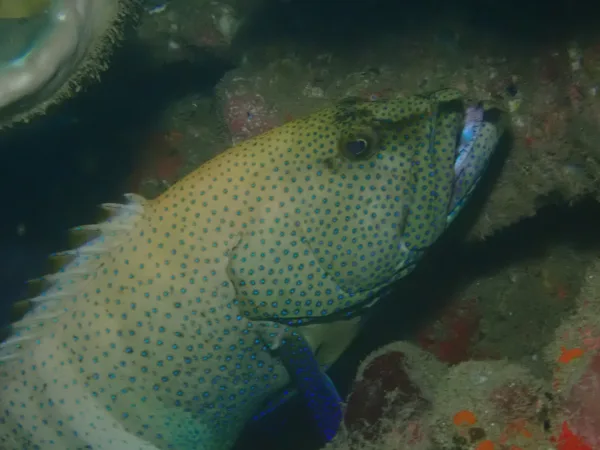
Argus Grouper Cephalopholis argus Aggressive
Corals are safe, but it eats small fish, shrimps and crabs; in Hawaii its diet is about 98% fish. More
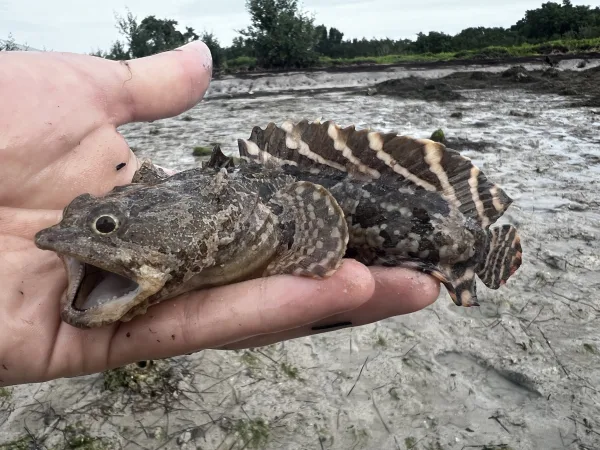
Atlantic Toadfish Opsanus sp. Aggressive
It eats shrimps, crabs, hermit crabs, snails, clams and worms, swallows small fish, and digs in the sand, which can topple rock and corals. More
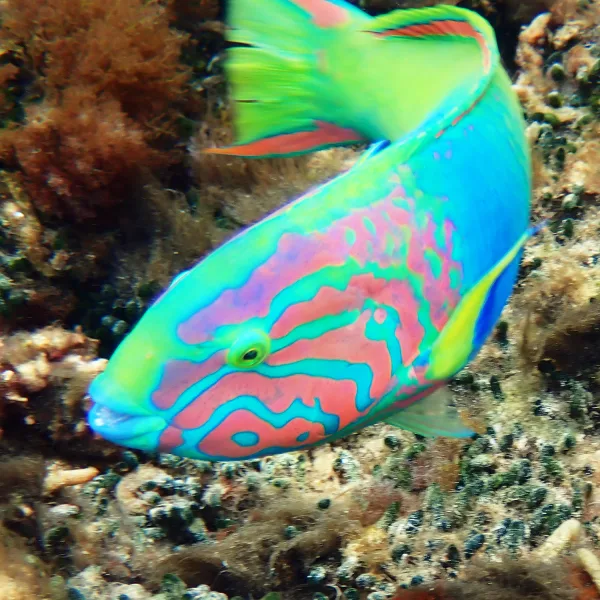
Banana Wrasse Thalassoma lutescens Aggressive
Corals and marine plants are generally left alone, but it actively hunts most mobile invertebrates: ornamental shrimp, crabs and hermit crabs, snails, clams and mussels, sea urchins, brittle stars and worms. More
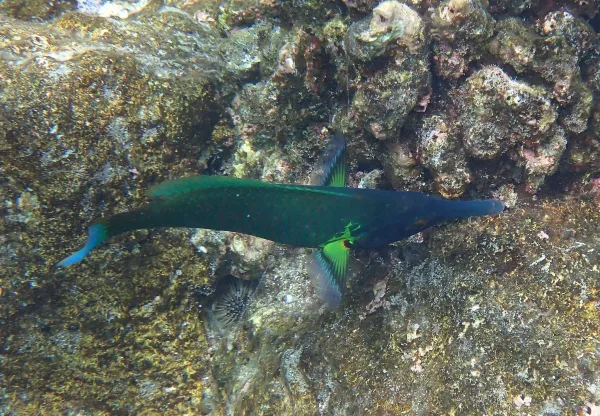
Bird Wrasse Gomphosus varius Semi-aggressive
Generally leaves healthy coral alone, so it can live in a large coral tank, but it hunts mobile invertebrates. More
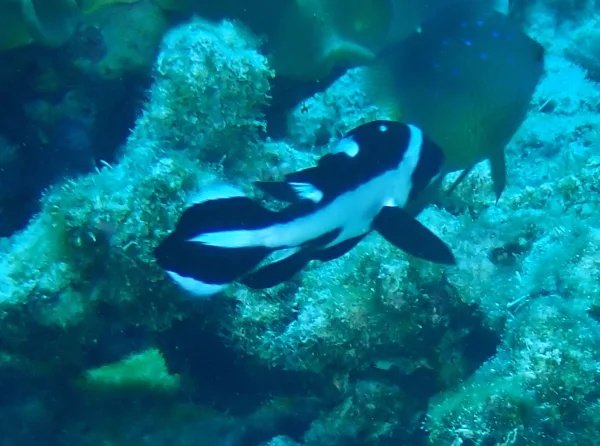
Black and White Snapper Macolor niger Semi-aggressive
Not reef safe: it will eat any fish or invertebrate it can fit in its mouth (Quality Marine). More
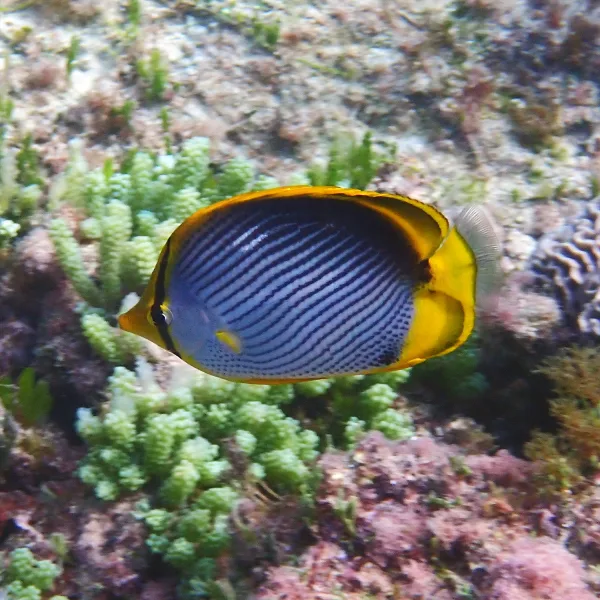
Blackback Butterflyfish Chaetodon melannotus Peaceful
Not reef safe. More
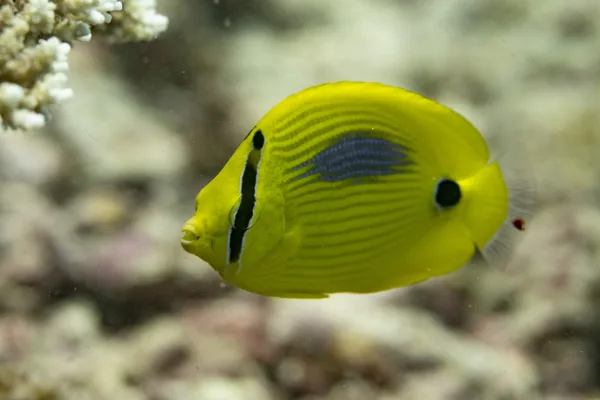
Bluespot Butterflyfish Chaetodon plebeius Peaceful
Not reef safe. More
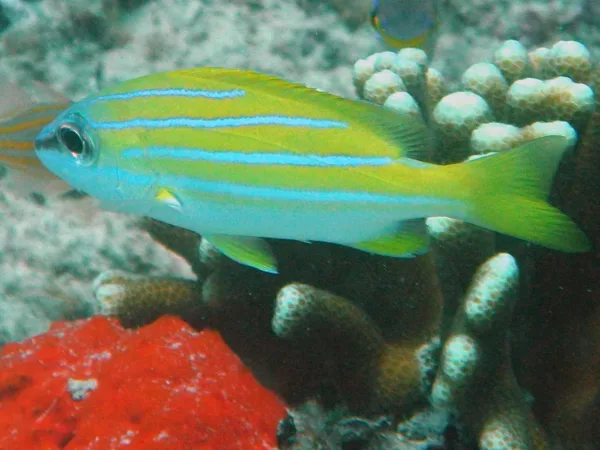
Bluestripe Snapper Lutjanus kasmira Semi-aggressive
It does not eat corals, but it is a predator of shrimp, crabs, other small invertebrates and small fish (Quality Marine; FishBase lists fishes, shrimps, crabs, stomatopods and cephalopods in its wild diet). More
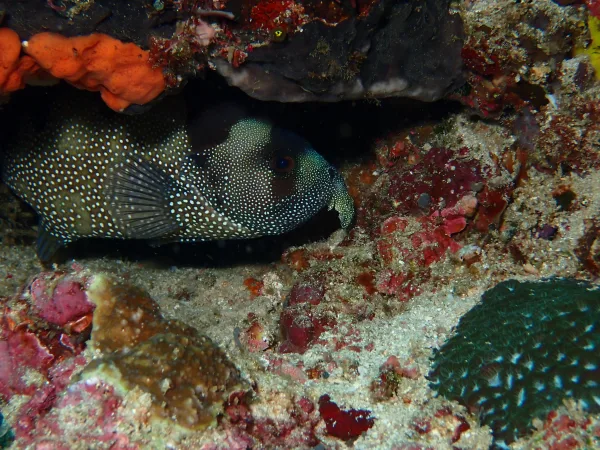
Clown Grouper Pogonoperca punctata Semi-aggressive
It ignores corals, but it eats crustaceans and small fish, and LiveAquaria warns that it 'may eat tank mates as well as crustaceans'. More
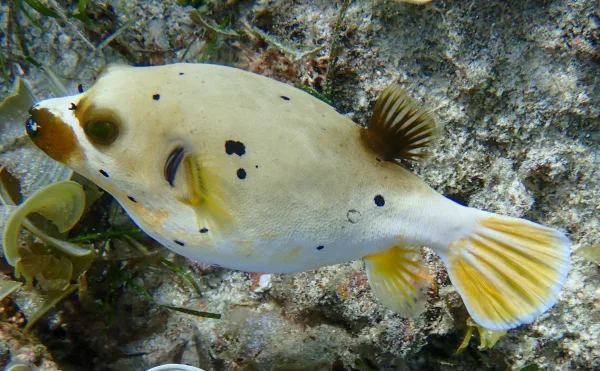
Dogface Puffer Arothron nigropunctatus Semi-aggressive
Not reef safe. More
Invertebrates
These are the invertebrates in our Species Guide, such as shrimp, crabs and snails. Anemones are included because, unlike corals, they can move around and sting any coral they touch. Corals themselves are not listed.
Reef safe 21
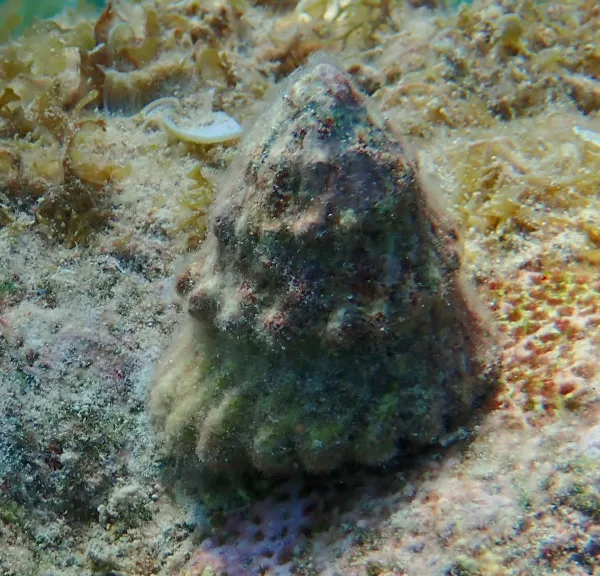
Astrea Snail Lithopoma sp. Peaceful
Fully reef safe: it does not eat corals, tube worms, sponges or other invertebrates and grazes only algae and biofilm (Top Shelf Aquatics, Aquarium Breeder). More
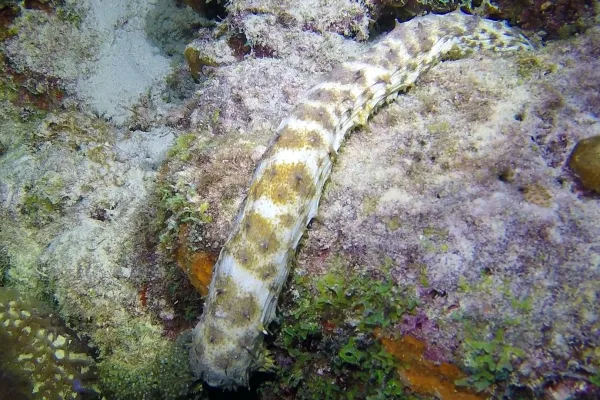
Atlantic Sea Cucumber Holothuria sp. Peaceful
It does not eat or sting corals, and retailers list it as reef compatible. More
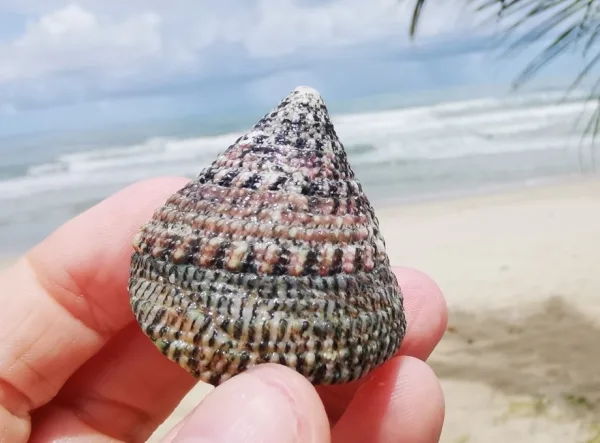
Banded Trochus Snail Trochus sp. Peaceful
Does not eat corals, clams or other invertebrates. More
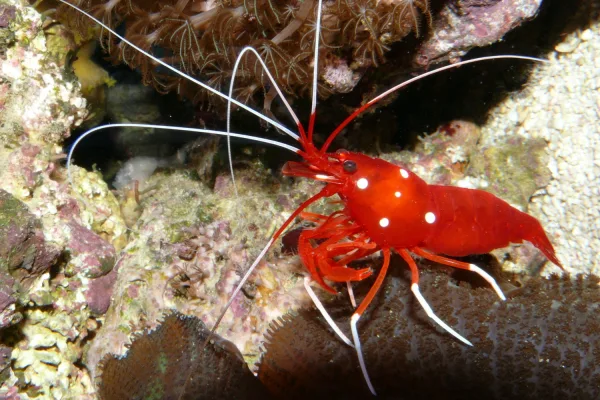
Blood Red Fire Shrimp Lysmata debelius Peaceful
Most fire shrimp ignore corals, but SeaScape Studio rates it reef safe only with caution and lists polyps, soft corals, zoanthids and small stony corals among things it may pick at. More
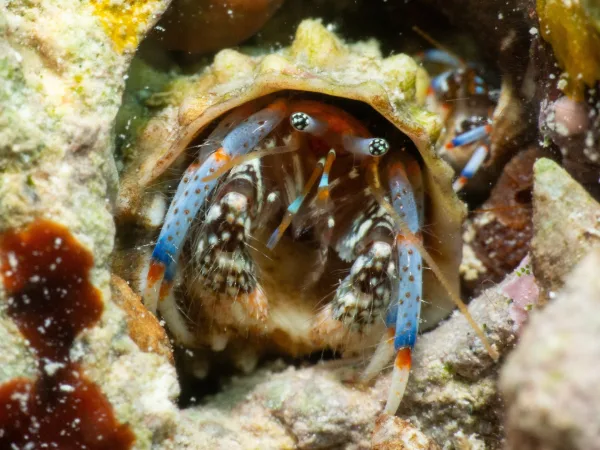
Blue Leg Hermit Crab Clibanarius tricolor Peaceful
It does not eat healthy corals, though climbing crabs can knock over loose frags and make polyps close temporarily. More
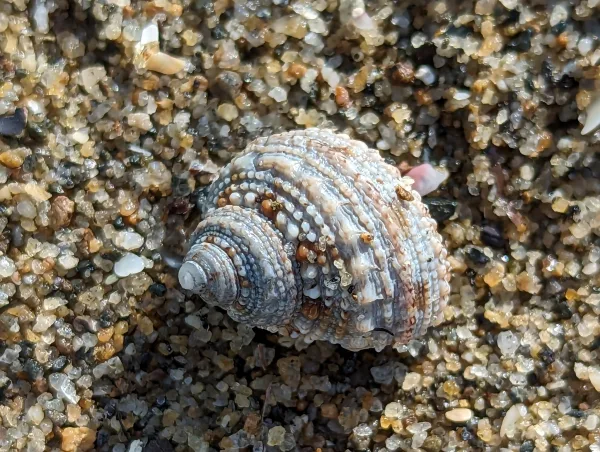
Chestnut Turbo Snail Turbo castanea Peaceful
Does not harm corals, fish or other invertebrates (Saltcorner, LiveAquaria, Top Shelf Aquatics). More
Emerald Crab Mithraculus sculptus Semi-aggressive
Most keep it with corals without trouble, but it is an opportunistic omnivore: LiveAquaria and Wikipedia both warn that an underfed emerald crab may eat coral polyps, other invertebrates or small fish, and keeper reports describe attacks on soft coral and SPS polyps, zoanthids and snails. More
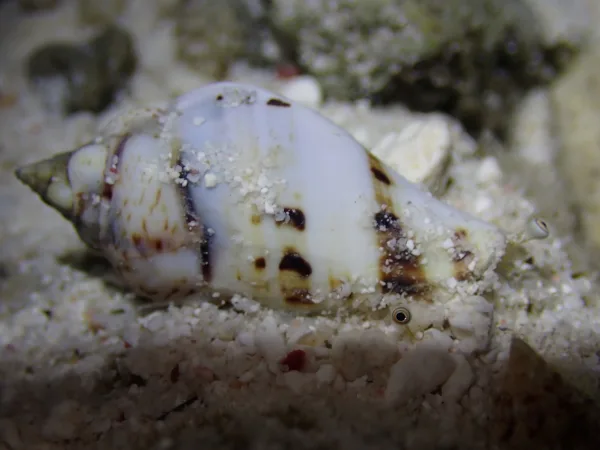
Humped Conch Gibberulus sp. Peaceful
Reef safe: it does not eat corals or other invertebrates (saltwaterfish.com, LiveAquaria, Top Shelf). More
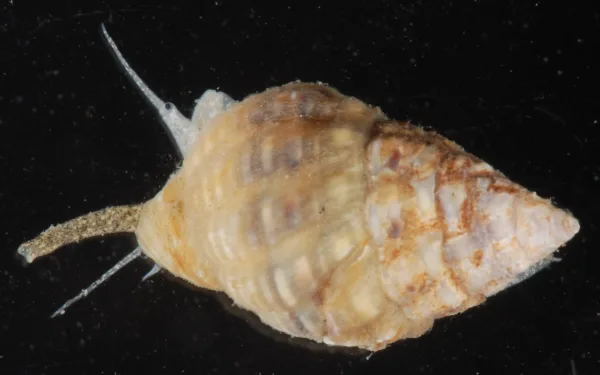
Nassarius Snail Phrontis vibex Peaceful
Ignores corals, clams, fish and algae. More
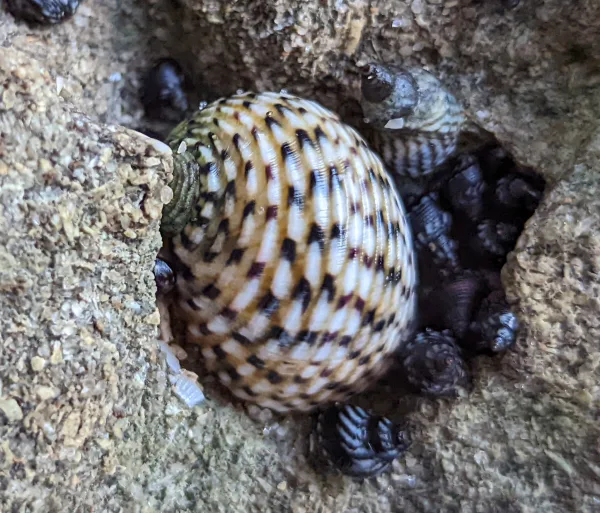
Nerite Snail Nerita sp. Peaceful
Reef safe. More
Peppermint Shrimp Lysmata wurdemanni Peaceful
Most peppermint shrimp leave corals alone, and some retailers call them fully reef safe, but Bulk Reef Supply labels them reef safe with caution because they may pick at fleshy corals and steal coral food, and hobbyists report occasional damage to zoanthids and fleshy LPS such as Acanthastrea, mostly from hungry or misidentified shrimp. More
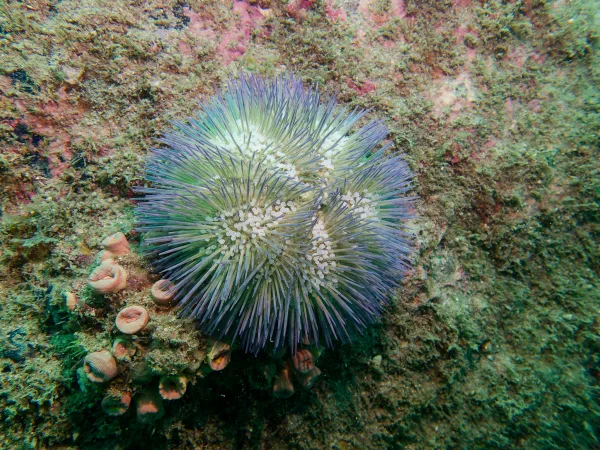
Pincushion Urchin Lytechinus variegatus Peaceful
It does not eat healthy corals and most sellers list it as reef safe, but That Pet Place and SaltwaterAquarium.com say 'with caution': it is a strong, clumsy grazer that knocks over or carries off unglued frags, can damage delicate corals by crawling over them, grazes coralline algae along with nuisance algae and will eat ornamental macroalgae. More
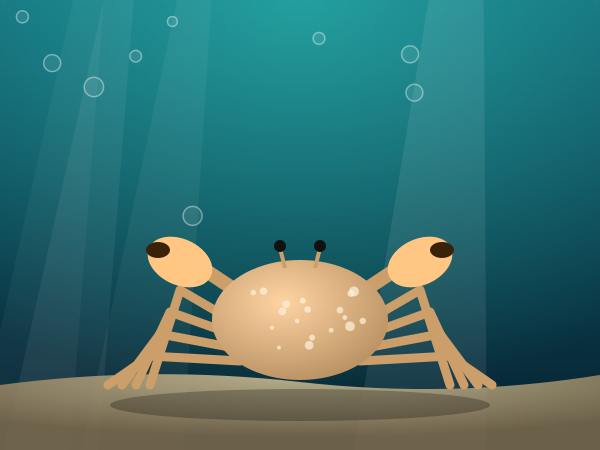
Pitho Crab Pitho mirabilis Peaceful
Sold as reef safe by most sellers (Aquatics Unlimited, Aquarium Depot, Reef by Steele) and judged 'as good an option as Emeralds or Hermits' by Quality Marine. More
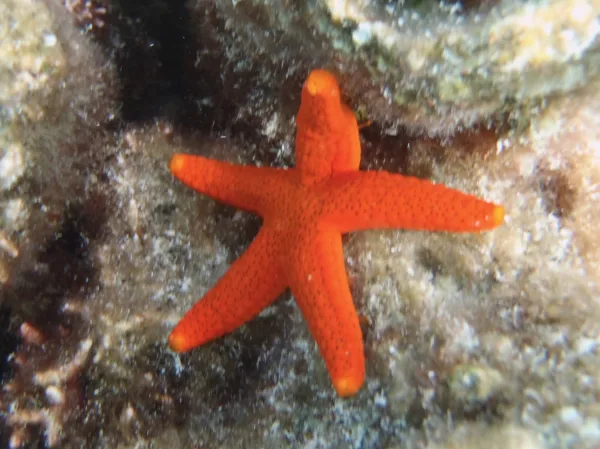
Red Fromia Starfish Fromia milleporella Peaceful
Ignores corals, clams, fish and other invertebrates; it only grazes biofilm. More
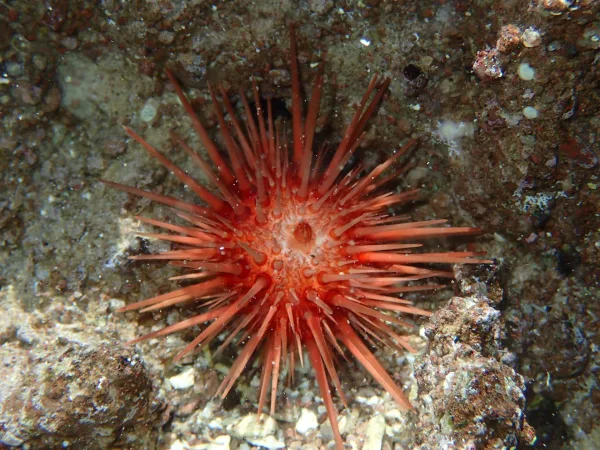
Rock Urchin Echinometra lucunter Peaceful
Most sellers call it reef safe (LiveAquaria, That Pet Place) because it does not deliberately eat corals, but it is a strong, bulldozing grazer: it knocks over loose frags and small rocks, can crush delicate corals by crawling over them, eats coralline algae (That Pet Place, Top Shelf Aquatics), and slowly erodes softer rock while making a burrow. More
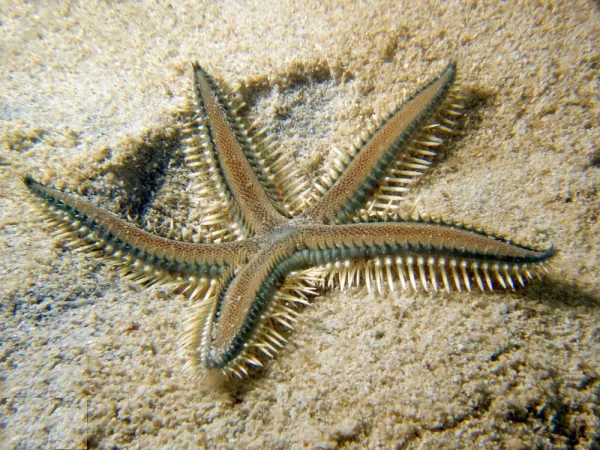
Sand Sifting Starfish Astropecten polyacanthus Peaceful
Does not touch corals, fish or rock-dwelling invertebrates, but it is a predator of the sand bed: it swallows worms, small crustaceans, small clams and snails whole and can wipe out the beneficial infauna of a deep sand bed, including small burrowing snails such as nassarius. More
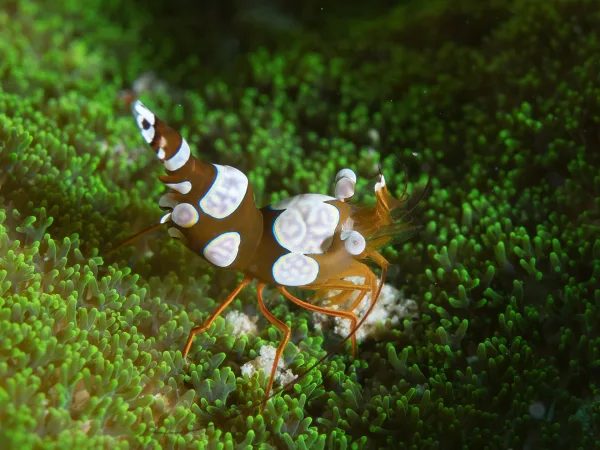
Sexy Shrimp Thor amboinensis Peaceful
Generally reef compatible (LiveAquaria, SeaScape Studio), but it eats host tissue: it grazes the outer tentacle tissue and mucus of its host anemone (usually without harming it) and grazes slime on zoanthids and Euphyllia. More
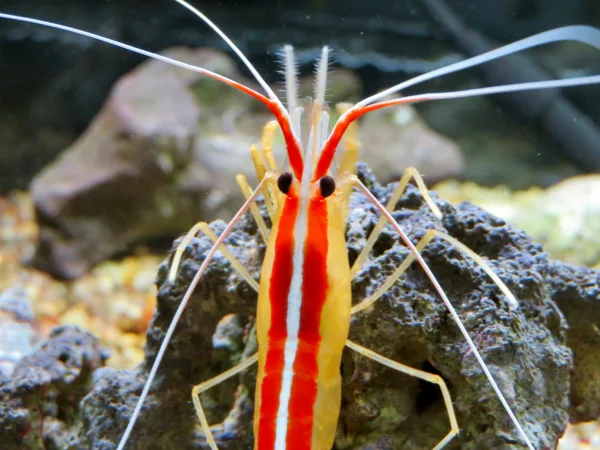
Skunk Cleaner Shrimp Lysmata amboinensis Peaceful
Does not eat corals, clams or other invertebrates. More
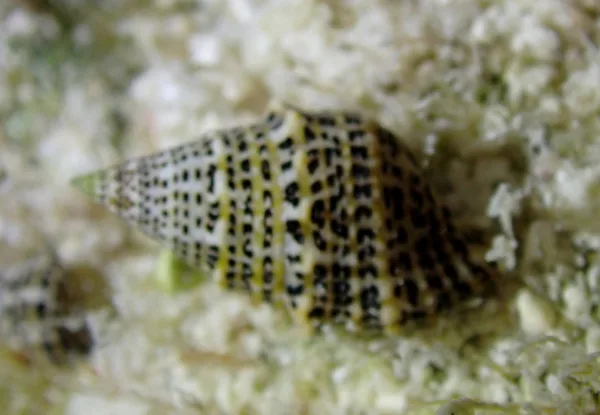
Stocky Cerith Snail Cerithium litteratum Peaceful
Does not eat corals, clams or other sessile invertebrates. More
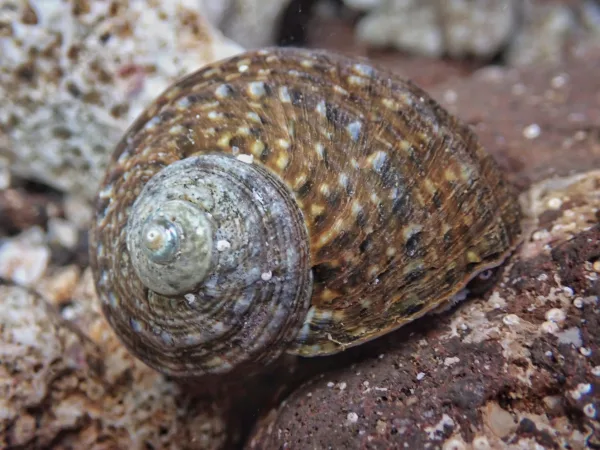
Turbo Snail Turbo fluctuosus Peaceful
Does not eat corals, clams or other invertebrates. More
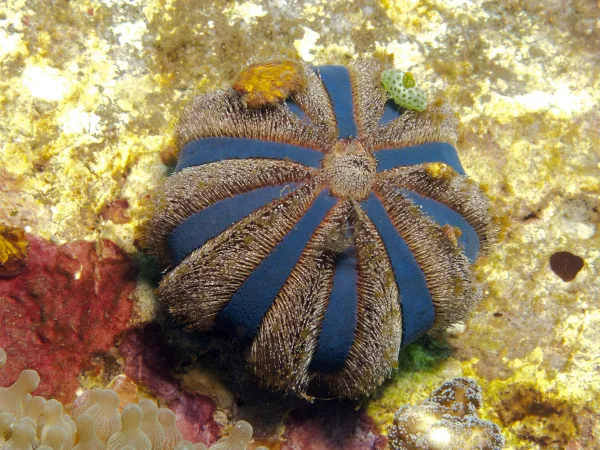
Tuxedo Urchin Mespilia globulus Peaceful
Does not eat corals, and in a controlled study its grazing raised juvenile Acropora survival with no abrasion damage. More
Reef safe with caution 4
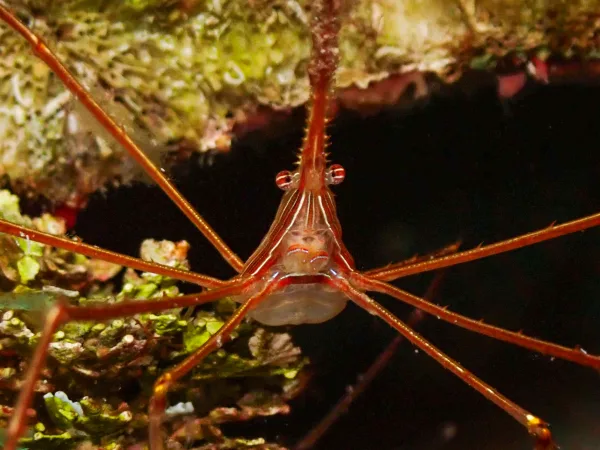
Arrow Crab Stenorhynchus seticornis Semi-aggressive
Retailers such as LiveAquaria, Aquatics Unlimited and That Pet Place list it as reef compatible, while ReefApp, Aquarium Source, Build Your Aquarium and others rate it 'with caution'. More
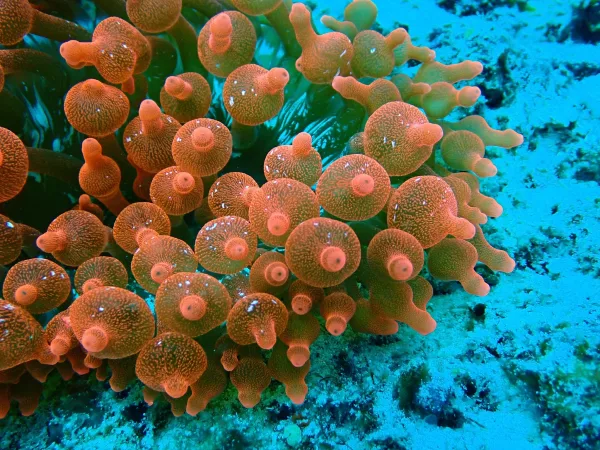
Bubble Tip Anemone Entacmaea quadricolor Aggressive
It will sting any coral or other anemone its tentacles touch, and because it can move you cannot fully control where it ends up. More
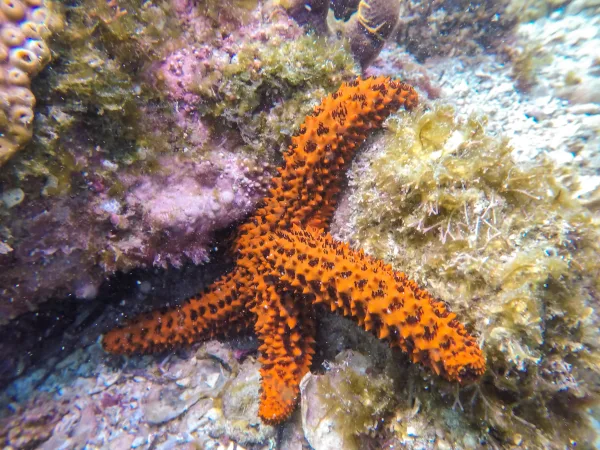
Knobby Starfish Echinaster (Othilia) echinophorus Peaceful
Ratings disagree: That Pet Place says reef safe, KP Aquatics says not reef safe, and Wet Web Media reports it as reef safe but short lived. More
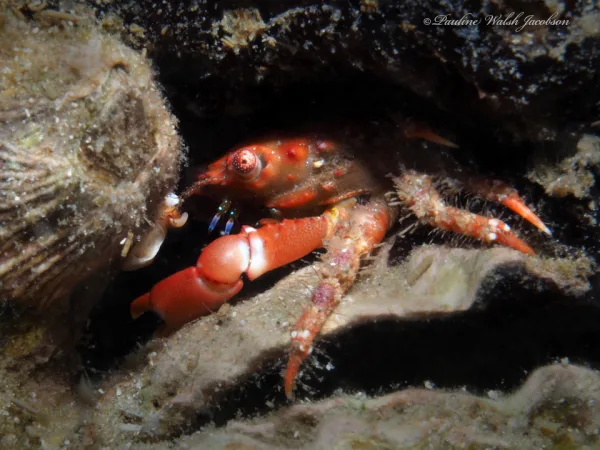
Spider Crab Mithraculus forceps Peaceful
Sold as reef safe (Salty Underground) and described as a harmless algae grazer (Meerwasser-Lexikon), but keeper reports on Meerwasser-Lexikon describe underfed crabs attacking SPS, LPS and soft corals and a disc anemone, behavior that stopped once they were fed extra food. More
Not reef safe 2
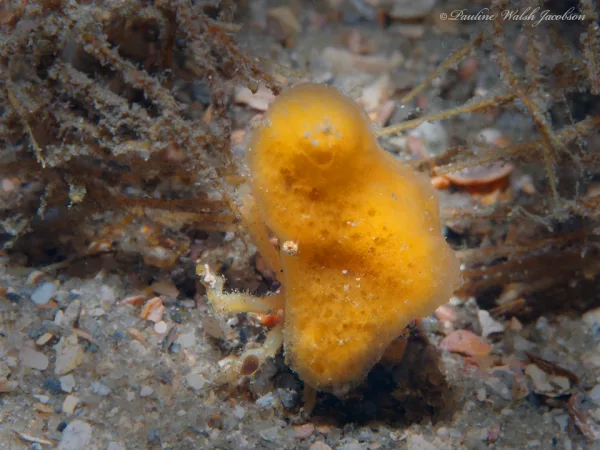
Decorator Crab Macrocoeloma sp. Semi-aggressive
That Pet Place lists it as not reef safe: it prefers sponges but will settle for polyps, algae, small shells and anything else in the tank, and it can destroy polyps and other corals. More
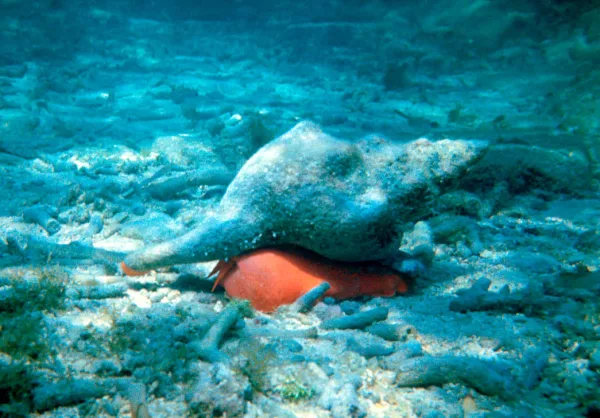
Horse Conch Triplofusus giganteus Semi-aggressive
No source reports it eating corals, but it hunts the animals a reef tank depends on: snails, clams and other bivalves, and (in captivity) small hermit crabs. More
Sources
- Reef safe, Wikipedia en.wikipedia.org
- CAUTION! 10 popular animals that may not be reef safe, Bulk Reef Supply bulkreefsupply.com
- FAQs on Dwarf Angelfish, Reef Builders reefbuilders.com
- Dwarf Angelfish Reef Safety by Species, Top Shelf Aquatics topshelfaquatics.com
- Are hawkfish suitable for your reef tank?, Practical Fishkeeping practicalfishkeeping.co.uk
- Hawkfish Care Guide: Perching Behavior, Shrimp Safety and Reef Compatibility, Top Shelf Aquatics topshelfaquatics.com
- Saltwater Angelfish Care Guide: Dwarf vs Large Angelfish Reef Safety, Top Shelf Aquatics topshelfaquatics.com
- Specialist corallivores dominate butterflyfish assemblages in coral-dominated reef habitats (Pratchett, Graham & Cole 2013), James Cook University researchonline.jcu.edu.au
- Reef-Friendly Triggerfish, Tropical Fish Hobbyist Magazine tfhmagazine.com
- Puffer Fish, Quality Marine qualitymarine.com
- Interesting Inverts – Emerald Crabs (Mithraculus sculptus), Quality Marine qualitymarine.com
This is general hobby guidance, not veterinary advice. Last updated October 25, 2026.