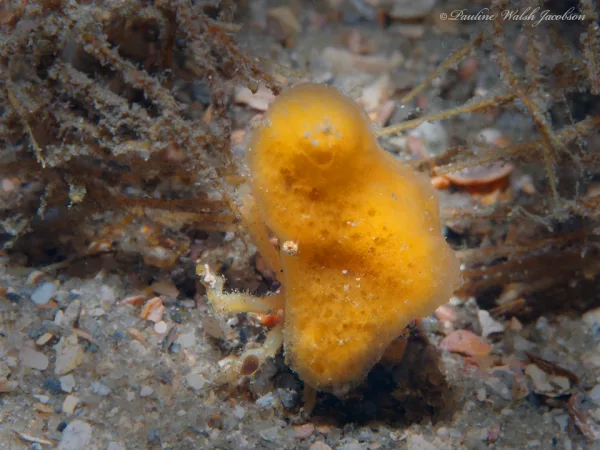
Invertebrates · Crab
Decorator Crab
Macrocoeloma sp.
Also called Spongy Decorator Crab, Sponge Decorator Crab, Florida Decorator Crab, Caribbean Decorator Crab
- CareEasy
- Reef safeNo
- TemperamentSemi-aggressiveClips polyps and sponge to wear; may harm corals
- Favorite foods
- Sponges
- Meaty scraps / carrion
- Algae
- Max size2.5 in (6.3 cm)
- Min tank20 gal
- LifespanUnknown
- IUCN statusNot Evaluated
Quick answers
- How big does the Decorator Crab get?
- Up to 2.5 in (6.3 cm).
- What size tank does it need?
- At least 20 gallons.
- How hard is it to keep?
- Care level: Easy.
- Is it reef safe?
- No. That Pet Place lists it as not reef safe: it prefers sponges but will settle for polyps, algae, small shells and anything else in the tank, and it can destroy polyps and other corals.
- What does it eat?
- Sponges
- Meaty scraps / carrion
- Algae
- How long does it live?
- Unknown; no captive or wild lifespan data were found.
- What are good tankmates?
- Peaceful community fish too small to eat crabs (That Pet Place: community safe)
- Hardy snails and other non-aggressive clean-up crew
- Fish-only or invertebrate tanks without prized corals
The 30-second version
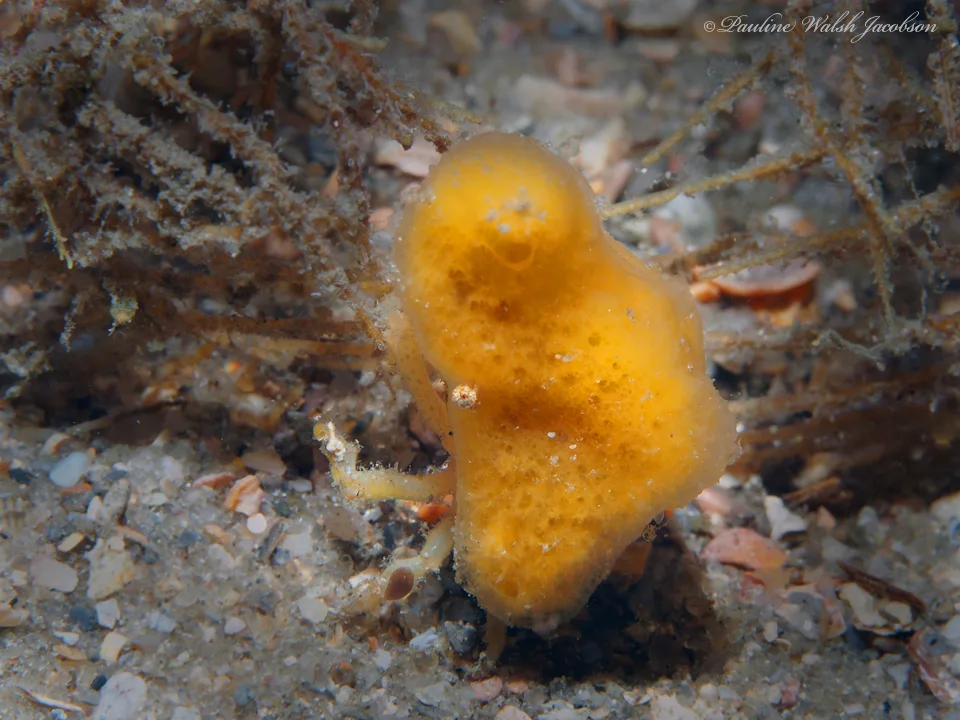
A decorator crab is a small crab that dresses up. Its back has tiny hooks, a bit like Velcro. The crab sticks bits of sponge and seaweed on the hooks. Soon it looks like a lumpy little rock. Hungry fish swim right past it. This crab lives in warm seas near Florida, the Bahamas and the Caribbean, and as far south as Brazil. It likes to wear sponge best. In the wild it eats dead animals, scraps and tiny bugs on the sea floor. In a fish tank it is fun to spot, but it is not a cleaner. It may pull up corals to wear them. So keep it in a tank with no prized corals. Give it bits of meaty food and some seaweed.
Water & care
Treat it as an experiment rather than a proven aquarium animal. That Pet Place rates it easy and gives pH 8.0-8.4, 75-82 F and SG 1.022-1.026, but the German Meerwasser-Lexikon knows of no reports of successful long-term keeping. Give it a mature tank with live rock, shaded crevices and something safe to decorate with, such as macroalgae or rubble with sponge growth. Care advice for other decorator crabs (Top Shelf Aquatics) adds: keep parameters stable, avoid copper, and leave molts in the tank.
| Parameter | Keep it at | Where that sits on the usual reef range |
|---|---|---|
| Temperature | 75–82 °F | |
| Salinity (SG) | 1.022–1.026 | |
| pH | 8–8.4 |
That Pet Place gives 75-82 F, pH 8.0-8.4 and SG 1.022-1.026; the Meerwasser-Lexikon gives 68-86 F (20-30 C) as its natural range. No species-specific alkalinity, calcium, magnesium or nutrient data; keep stable reef levels, which matter during molts. No copper.
Feeding
DietOmnivore
Favorite foods
- Sponges (also worn as camouflage)
- Meaty scraps and carrion
- Algae
- Detritus and leftovers
In the wild it eats carrion, detritus and small bottom animals (Meerwasser-Lexikon). In the tank it will take sponges, algae, polyps and leftovers (That Pet Place). Offer small meaty foods such as mysis or chopped seafood a few times a week, plus some seaweed, near its hiding place after lights out; care sheets for other decorator and sponge crabs recommend the same meaty foods. A well-fed crab is less likely to strip corals.
Tank & maintenance
- Minimum tank
- 20 gallons
- Aquascape
- Mature live rock with caves and shaded crevices, plus safe material it can decorate with (macroalgae, rubble, sponge growth). If you keep more than one, give extra hiding places.
- Lighting
- No needs of its own.
- Water flow
- No published flow preference was found.
Routine upkeep
Routine tank upkeep. Watch whether it starts cutting up corals or sponges and move it if it does. Leave molts in place and do not mistake a molt for a dead crab. Keep a little macroalgae or rubble around so it can re-dress after a molt.
Temperament & tankmates
TemperamentSemi-aggressive
No source rates its temperament directly. That Pet Place calls it community safe with fish and invert safe 'with caution', and a LiveAquaria listing seen in a search snippet called it semi-aggressive. Its main harm is to sessile animals it cuts up for camouflage; small or freshly molted invertebrates may also be at risk, as with other decorator crabs.
Reef safeNo
That Pet Place lists it as not reef safe: it prefers sponges but will settle for polyps, algae, small shells and anything else in the tank, and it can destroy polyps and other corals. A LiveAquaria Diver's Den listing seen only in a search snippet rated it 'reef compatible with caution'. Keep it away from zoanthids, soft corals and prized sponges.
Good tankmates
- Peaceful community fish too small to eat crabs (That Pet Place: community safe)
- Hardy snails and other non-aggressive clean-up crew
- Fish-only or invertebrate tanks without prized corals
Avoid
- Zoanthids, soft corals and other polyps
- Prized sponges
- Triggerfish, pufferfish, hawkfish and large wrasses
- Other crabs that may fight it during molts
- Copper-treated systems
Help it thrive
- Give it something safe to wear, such as macroalgae or sponge-covered rubble, so it does not take your corals.
- Feed small meaty foods and some seaweed; a hungry decorator crab is more likely to strip corals.
- Keep it out of tanks with zoanthids, soft corals or prized sponges.
- Do not keep it with triggers, puffers, hawkfish or large wrasses, which eat crabs.
- Because 'decorator crab' covers several crabs, photograph yours and check what it really is.
Common ailments
Failed molt
- Signs
- Crab stuck in its old shell, missing legs afterward, or found dead in a split shell.
- Prevention
- Stable salinity, alkalinity and calcium; varied food; hiding places while the new shell hardens (Top Shelf advice for decorator crabs).
- Treatment
- Leave it undisturbed in a quiet spot; lost legs can regrow over later molts.
Copper or medication poisoning
- Signs
- Weakness, inability to right itself, and death after a tank was medicated.
- Prevention
- No copper or invertebrate-unsafe treatments in the tank; treat fish in a hospital tank.
- Treatment
- Move the crab to clean, matched water and remove copper with carbon or resin and water changes.
Predation
- Signs
- Missing legs, a crab that stays hidden, or a crab that disappears.
- Prevention
- Avoid crab-eating fish such as triggers, puffers, hawkfish and large wrasses; give it caves and decorating material.
- Treatment
- Move it to a safer tank.
This is general hobby guidance, not veterinary advice. Quarantine new arrivals and treat in a separate tank whenever you can.
Risks of owning one
- Can destroy polyps, soft corals and sponges by cutting them up for camouflage.
- Long-term success is not documented; one reference knows of no successful captive keeping.
- The trade name 'decorator crab' covers several different crabs, so the animal may not match this profile.
- Copper and many fish medicines cannot be used in a tank containing it.
- Wild-collected only.
Breeding
DifficultyNot achieved Captive-bredRare or wild-caught
No captive breeding of Macrocoeloma is reported, and the Meerwasser-Lexikon knows of no successful keeping at all. SeaLifeBase notes only that decapods mostly have separate sexes and that courtship before mating is common.
- No hobby or aquaculture method is known for this genus.
- If a female carries eggs, a separate larval tank would be needed, since larvae in a display tank are lost to pumps and filter feeders.
Deep dive The science, history and family tree
The science
Macrocoeloma Miers, 1879 is a genus of spider crabs (superfamily Majoidea) in the family Epialtidae, subfamily Pisinae, the group Florent's reef guide calls imitator crabs. WoRMS accepts 12 species. The one most often named in the aquarium trade is M. trispinosum (Latreille, 1825), the spongy decorator crab; a second western Atlantic species, M. camptocerum (Stimpson, 1871), has the English name Florida decorator crab in WoRMS and is recorded from the Gulf of Mexico. Shops do not separate the two, so this profile covers the genus, and the care data come from M. trispinosum. That species ranges through the Caribbean, Florida, the Bahamas, the Gulf of Mexico and Brazil, at about 3-75 m (Florent's Guide) or 0-82 m (SeaLifeBase, Meerwasser-Lexikon). Published sizes are 2.5-5 cm (1-2 in) in Florent's Guide, 5-8 cm in the Meerwasser-Lexikon and up to 3 in at That Pet Place. SeaLifeBase notes that it is found on mollusc and other shells. Like other decorator crabs it covers its body with material from its surroundings; this species prefers sponge but, per That Pet Place, will also use polyps, algae and small shells. The Meerwasser-Lexikon lists its natural food as carrion, detritus and small bottom animals, an omnivorous scavenger diet. It has not been evaluated by the IUCN. Captive data are thin and conflicting: That Pet Place rates it easy, while the Meerwasser-Lexikon knows of no reports of successful keeping. The Photo Ark photographed one at Dynasty Marine, a Florida and Caribbean livestock supplier in Marathon, Florida.
- Appearance
- A small spider crab that is usually so covered in sponge and other growth that its outline is hard to make out; color depends mostly on what it is wearing. The species name trispinosum means 'three-spined' (one German name is Dreistachelige Dekorateurkrabbe, 'three-spined decorator crab'). Look-alikes sold under the same trade name: Florida sponge crabs (Dromiidae, such as Moreiradromia antillensis and Dromia erythropus) hold a single sponge or tunicate over the back instead of a patchwork, and Mithrax pleuracanthus wears sponge, coral, algae and anemones. Because 'decorator crab' covers several animals, compare your crab with photos before relying on this profile.
- Native range
- Western Atlantic: M. trispinosum in the Caribbean, Florida, the Bahamas, the Gulf of Mexico and Brazil (Florent's Guide; WoRMS records include Martinique, Antigua, Curacao, Venezuela and Saint Thomas). M. camptocerum, the 'Florida decorator crab', is recorded from the Gulf of Mexico (WoRMS).
- Habitat
- Bottom-living on reefs and hard bottom from shallow water to about 75-82 m (Florent's Guide, SeaLifeBase). SeaLifeBase notes it is found on mollusc and other shells. It camouflages itself with sponge, which lets it blend into sponge-covered bottom.
- Size
- 2.5 in (6.3 cm). M. trispinosum: 1-2 in (2.5-5 cm) in Florent's Guide, 5-8 cm (2-3.1 in) in the Meerwasser-Lexikon and 3 in at That Pet Place. None says whether this is carapace or leg span. The supplier sells sizes LG and M/L.
- Lifespan
- Unknown; no captive or wild lifespan data were found.
- Conservation
- Not Evaluated. M. trispinosum is not evaluated by the IUCN and is not CITES-listed (SeaLifeBase). Trade animals are wild-collected; no captive breeding is known
In the aquarium vs in the wild
In your aquarium
Display curiosity, kept for its camouflage habit; it is not a dependable clean-up crew animal and may damage corals.
On the reef
A slow, bottom-living scavenger of carrion, detritus and small bottom animals, hiding from fish under a coat of sponge.
History
The French zoologist Latreille described the spongy decorator crab in 1825 as Pisa trispinosa. It was later placed in Pericera (Pericera trispinosa), and A. Milne-Edwards's Pericera diacantha of 1875 is now treated as the same species. The genus Macrocoeloma was named by Miers in 1879, and Pericera itself is now a synonym of Stenocionops (WoRMS). In the aquarium trade it turns up now and then as the spongy or Caribbean decorator crab from Florida and Caribbean suppliers, alongside Indo-Pacific decorator crabs such as Camposcia retusa that large US retailers stock.
Evolution & relatives
Macrocoeloma belongs to the spider crabs (Majoidea), a superfamily in which many but not all members decorate themselves (Wikipedia). Decorating shows up in several majoid families: Macrocoeloma and the furcate spider crab Stenocionops are in Epialtidae (Pisinae), Mithrax in Mithracidae, and the Indo-Pacific Camposcia in Inachidae (WoRMS). Decorator crabs hold material on hooked setae; Bateson described seaweed catching on these hooks in 1889 (Wikipedia). The Florida sponge crabs that share the trade name, such as Moreiradromia antillensis, are in a separate branch of true crabs (Dromiacea) and carry their disguise differently, holding a sponge in place with modified rear legs.
Family tree, from kingdom down
- Kingdom Animalia Animals Animals are living things made of many cells that must eat food to live. Fish, corals, crabs, snails and sea stars are all animals.
- Phylum Arthropoda Arthropods Arthropods have jointed legs and a hard outer shell called an exoskeleton. To grow, they must crawl out of the old shell, which is called molting.
- Subphylum Crustacea Crustaceans Crustaceans are arthropods with a hard shell and two pairs of feelers. Most live in water, like crabs, shrimps and lobsters.
- Superclass Multicrustacea
- Class Malacostraca Malacostracans This big class of crustaceans includes crabs, shrimps, lobsters and krill. Their bodies are built from about the same number of segments.
- Subclass Eumalacostraca
- Superorder Eucarida
- Order Decapoda Decapods Decapod means 'ten feet'. Crabs, shrimps, lobsters and hermit crabs all have ten legs, counting their claws.
- Suborder Pleocyemata Egg-carrying decapods
- Infraorder Brachyura true crabs
- Section Eubrachyura
- Subsection Heterotremata
- Superfamily Majoidea spider crabs
- Family Epialtidae
- Subfamily Pisinae imitator crabs
- Genus Macrocoeloma
See it on the Tree of Life Compare with another species
Closest relatives
- Macrocoeloma trispinosum Spongy Decorator Crab Type of crab most often meant by this trade name; source of the care data here
- Macrocoeloma camptocerum Florida Decorator Crab Same genus; Gulf of Mexico
- Stenocionops furcatus Furcate Spider Crab Same subfamily (Pisinae); its genus absorbed Pericera, the old genus of M. trispinosum; decorates with stinging anemones
- Mithrax pleuracanthus Shaggy Clinging Crab Different family (Mithracidae); sold as 'Decorator Crab' by a Florida supplier
- Moreiradromia antillensis Hairy Sponge Crab Different section (Dromiacea); listed as 'decorator crab' in Florida's marine-life fishery codes
- Camposcia retusa Spider Decorator Crab Different family (Inachidae); Indo-Pacific decorator crab widely sold in the US trade
Older scientific names: Pisa trispinosa, Pericera trispinosa, Pericera diacantha.
Fun facts
- The name trispinosum means 'three-spined'.
- Its old genus, Pericera, is now merged into Stenocionops, the genus of a spider crab that dresses itself in stinging sea anemones.
- Decorator crabs hold their costume on tiny hooked hairs; a scientist described seaweed catching on them in 1889.
- In Florida's own fishery codes, 'decorator crab' means a completely different animal: a sponge crab that wears a living tunicate.
- It lives from shallow water down to about 80 m.
Learn more
- Florent's Guide: Spongy Decorator Crab reefguide.org
- WoRMS: Macrocoeloma Miers, 1879 marinespecies.org
- Meerwasser-Lexikon: Macrocoeloma trispinosum en.reeflex.net
- That Pet Place: Spongy Decorator Crab thatpetplace.com
Sources
- WoRMS: Macrocoeloma Miers, 1879 (genus record and species list) marinespecies.org
- WoRMS: Macrocoeloma trispinosum (synonyms, vernaculars, distribution) marinespecies.org
- WoRMS: Macrocoeloma camptocerum, Florida decorator crab marinespecies.org
- SeaLifeBase: Macrocoeloma trispinosum summary sealifebase.se
- Florent's Guide to the Florida, Bahamas and Caribbean Reefs: Spongy Decorator Crab reefguide.org
- Meerwasser-Lexikon: Macrocoeloma trispinosum en.reeflex.net
- That Pet Place: Spongy Decorator Crab care sheet thatpetplace.com
- Joel Sartore Photo Ark: spongy decorator crab at Dynasty Marine, Marathon, Florida joelsartore.com
- FWC: decorator crab (marine-life trip-ticket code) myfwc.com
- Gulf Specimen Marine Lab: Decorator Crab, Mithrax pleuracanthus gulfspecimen.org
- LiveAquaria: Sponge Crab (Dromia sp.) liveaquaria.com
- Pigeon Key Foundation: Creature feature, the redeye sponge crab pigeonkey.net
- Top Shelf Aquatics: Sponge Decorator Crab care guide (Cryptodromia hilgendorfi) topshelfaquatics.com
- Quality Marine: Nature's Exterior Decorators qualitymarine.com
- Wikipedia: Decorator crab en.wikipedia.org
Care facts
The care facts on this guide and its product pages (care level, reef safety, temperament, size, tank, diet, flow, purpose, foods, acclimation and origin) combine 5 independent sources, checked October 25, 2026.
- Spongy Decorator Crab - Marcocoeloma trispinosum That Pet Place
- Macrocoeloma trispinosum - Sponge Decorator Crab Meerwasser-Lexikon (reeflex.net)
- Spongy Decorator Crab - Macrocoeloma trispinosum Florent's Guide to the Florida, Bahamas and Caribbean Reefs (reefguide.org)
- Macrocoeloma trispinosum, Spongy decorator crab SeaLifeBase
- Macrocoeloma trispinosum (Latreille, 1825) WoRMS / DecaNet
Scientific names and classification follow the World Register of Marine Species (AphiaID 415593). Last updated October 25, 2026.
Shop this species
Search the shop →