How to Acclimate Saltwater Fish, Corals and Invertebrates
How to move new fish, invertebrates and corals from the shipping bag into your tank safely, with step-by-step float and drip methods and what to watch for afterward.
Updated October 25, 2026 · 7 min read
New animals spend their trip in a small bag of water that can be very different from your tank. Acclimation means bringing them over to your water gently, so the change doesn’t shock them. It takes about an hour for most fish and longer for some invertebrates, and it is one of the best things you can do to keep new arrivals alive.

Why acclimation matters
Three things usually differ between the bag and your tank:
- Temperature. The bag may have warmed up or cooled down on the way.
- Salinity. This is how salty the water is. Many hobbyists measure it as specific gravity (a measure of how salty the water is, read with a refractometer or hydrometer).
- pH. This is how acidic or alkaline the water is.
There is also a hidden trap in bags that have been sealed for a long time. Animals breathe out carbon dioxide (CO2) and release waste ammonia into the bag. The CO2 lowers the pH. At low pH, most of that ammonia sits in a form called ammonium, which is far less harmful. When you open the bag, CO2 escapes and pH starts to rise. If you then add tank water, which usually has a higher pH, the pH rises further. As pH rises, more ammonium turns back into ammonia, which is toxic and burns the gills. The bag water hasn’t gained any ammonia; it has simply become more poisonous. This is why you should never put an airstone in the bag, and why fish that were bagged for a long time often do better with a quicker method (see below).

Before you open the box
- Turn off the aquarium lights and dim the room. Dark is calming for stressed animals.
- Have the quarantine tank or display tank ready, at its normal temperature and salinity.
- Test your tank’s salinity so you know the number you are matching.
- Get your tools ready: a clean bucket used only for the aquarium, airline tubing with a valve or a few loose knots in it, a fish net and a cup.
- Open the box and check every animal. If something looks wrong, see our shipping & live arrival page before you go further.
Float to match temperature
Every method starts here. Floating only matches temperature; it does nothing for salinity or pH.
- Float the sealed bags in the tank for about 15–20 minutes. Do not open them yet.
- Keep the bags away from the overflow, skimmer and pump intakes.
- If the bag water was very cold, float a little longer.
Drip acclimation, step by step
Drip acclimation slowly mixes tank water into the bag water, so salinity and pH change gradually. It is the standard method for invertebrates and sensitive fish.

- After floating, pour the animals and their bag water into the bucket. Tilt the bucket so the water pools on one side and covers them.
- Run airline tubing from the tank to the bucket and start a siphon.
- Use the valve or tighten the knots until the water drips at about 2–4 drops per second for fish, or about 1–2 drops per second for shrimp, snails, crabs, starfish and anemones.
- When the water in the bucket has doubled, pour out half of it.
- Let it double again. For most fish the drip takes under an hour.
- Check that the bucket matches your tank’s salinity and temperature. If not, keep dripping.
- Move the animals into the tank and throw the bucket water away.
- Top up the tank with fresh, premixed saltwater to replace what you siphoned out.
The faster method for long trips
Some experienced keepers skip the long drip for fish that spent many hours in the bag, because slowly raising the pH makes the ammonia in the bag more toxic while the fish is still sitting in it. In that case:
- Float the sealed bag to match temperature, with the lights off.
- Open the bag. If you like, add a water conditioner that detoxifies ammonia, following the product’s directions.
- Net the fish out right away and place it in the quarantine tank or display.
- Throw the bag water away.
Advice varies on which method is best. A good rule: the longer the trip and the dirtier the bag water looks, the faster you should get the fish out of it. Invertebrates handle salinity change worse than fish, so most keepers still drip them, adding an ammonia detoxifier to the bucket if needed.
Fish: moving them into the tank
- Net, don’t pour. Catch the fish with a net or a small cup, leaving the bag or bucket water behind.
- Never add bag or bucket water to your tank. It can carry ammonia, parasites and medications.
- Free snagged fins gently. If a spine or fin catches in the net, free it by hand rather than shaking it.
- Keep the lights off for the rest of the day, ideally until the next morning, so the new fish can find a hiding place.
- Feed later. Wait until the next day before offering food. Many fish won’t eat until they feel settled.

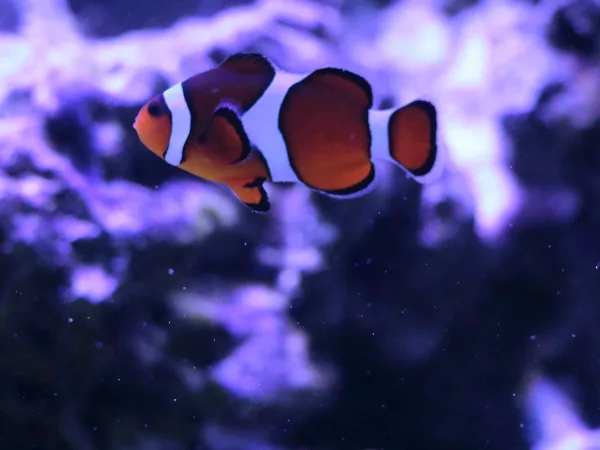
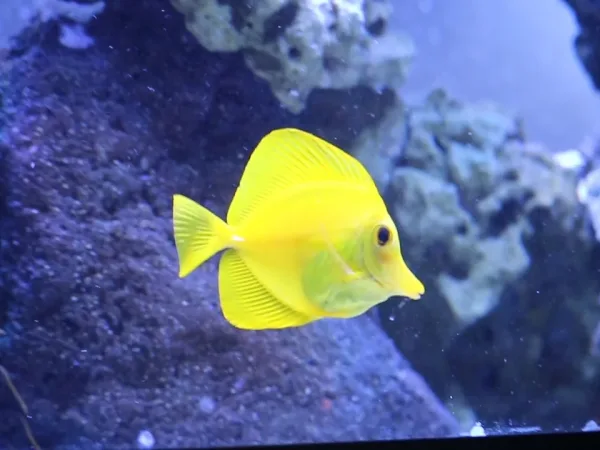
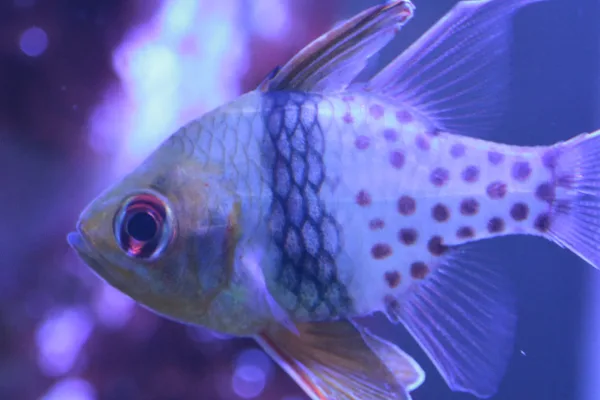
Invertebrates: go slow
Shrimp, snails, crabs, starfish and urchins are much more sensitive to salinity changes than fish, and acclimation shock is a common cause of losses.
- Use the slow drip (about 1–2 drops per second) and match salinity closely before moving them.
- Shrimp like the Peppermint Shrimp, Skunk Cleaner Shrimp and Blood Red Fire Shrimp should get the full slow drip, about an hour, not a rushed one.
- Starfish need the slowest drip of all, an hour or more, and advice on exact times varies. See the Red Fromia Starfish and Sand Sifting Starfish profiles for details.
- Urchins such as the Tuxedo Urchin can lose spines after a rough acclimation, so take your time.
- Sponges, clams and gorgonians must never be exposed to air. Trapped air can damage their tissue. Move them inside a bag or cup full of water and release them underwater.
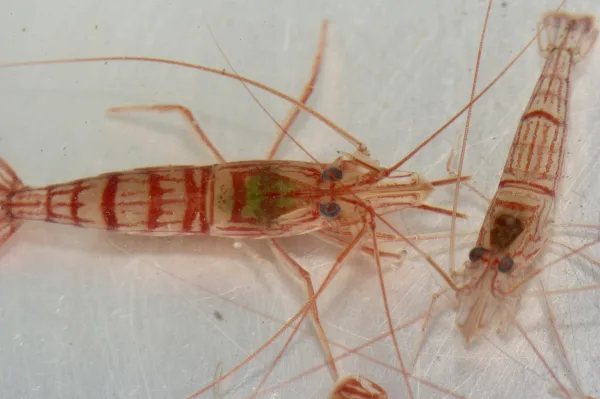 Peppermint ShrimpLysmata wurdemanni
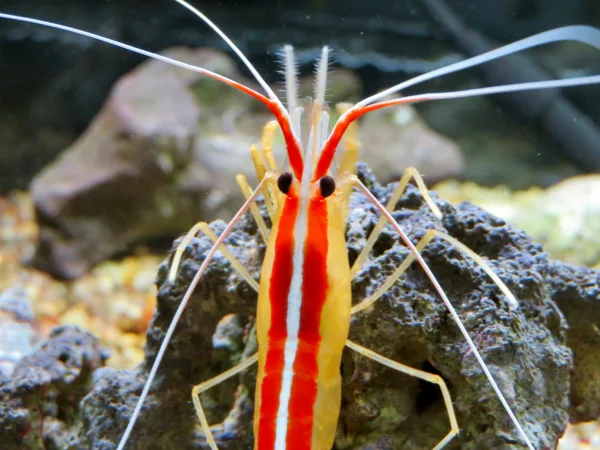 Skunk Cleaner ShrimpLysmata amboinensis
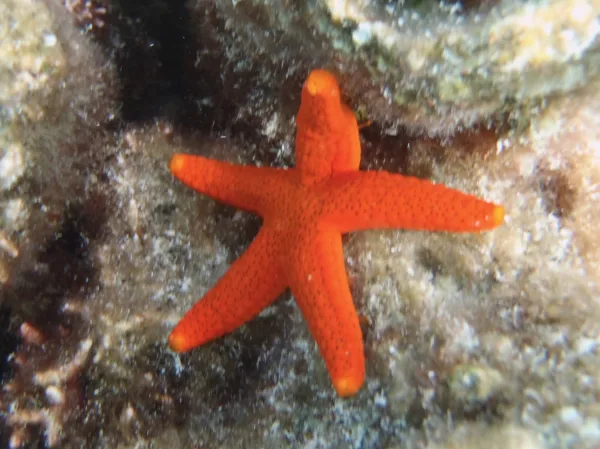 Red Fromia StarfishFromia milleporella
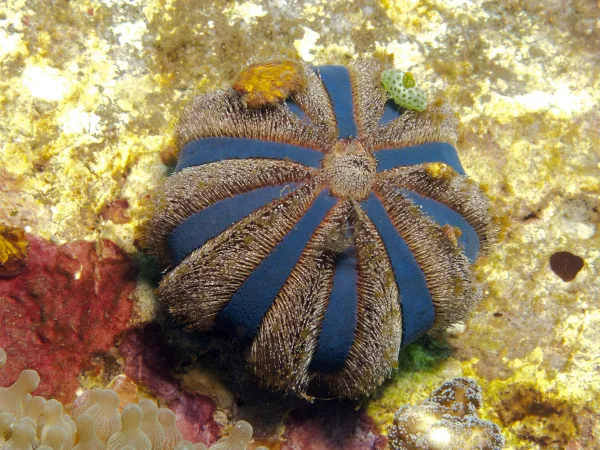 Tuxedo UrchinMespilia globulus

Corals and anemones
Corals: dip, inspect, place low
- Float the sealed bag for about 15–20 minutes to match temperature.
- Dip the coral in a separate container of tank water with a coral dip, following the product’s directions.
- Inspect it closely, ideally with a magnifier. Look for coral-eating nudibranchs (tiny sea slugs), flatworms, Acropora red bugs (tiny orange-red specks on SPS corals) and Asterina starfish (small hitchhiker stars; most are harmless scavengers).
- Look for egg clusters too. Dips often kill adult pests but not their eggs, so scrape or cut eggs off, or remove the frag plug if eggs are on it.
- Gently shake off any extra slime before you move it.
- Hold the coral by its rock or base, not its soft tissue, and place it low in the tank.
Corals also need to get used to your lights. Start new corals on the bottom or in a shaded spot, then move them up toward their final place over several weeks. Another option is to turn down your light intensity or shorten the light period and raise it slowly. If a coral starts losing color or turning white, slow down. Many corals, such as Zoanthids, Hammer Coral and Green Star Polyps, may stay closed for several days after arrival.


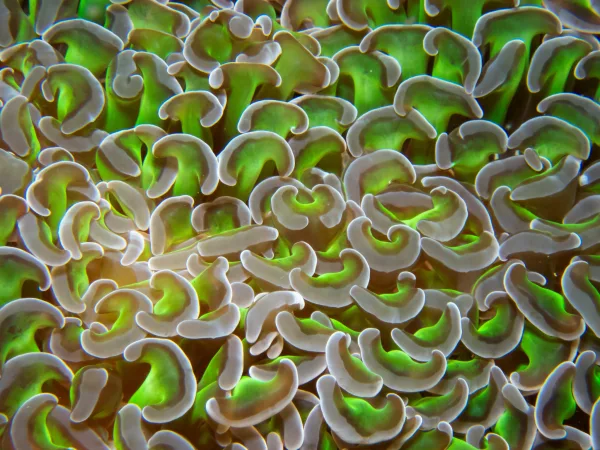
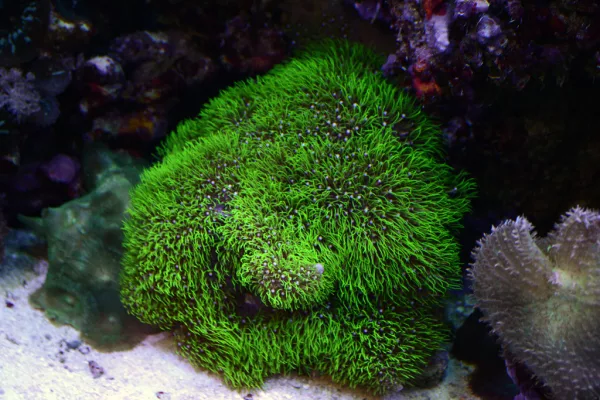
Anemones: let them choose
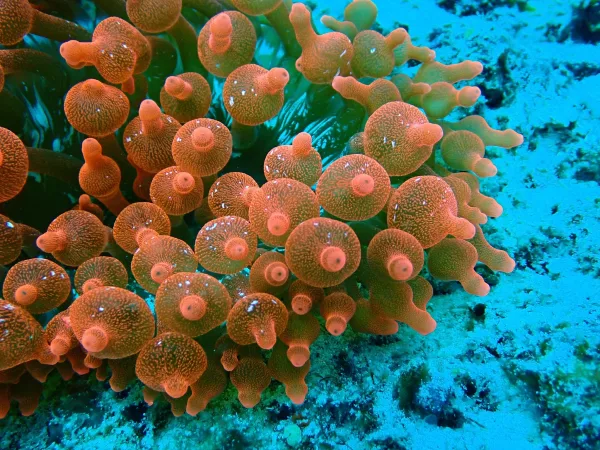
Acclimate an anemone like a coral or with a slow drip. Then place it near rocks with crevices and let it find its own spot. A Bubble Tip Anemone often wanders before it settles. Don’t keep moving it. Cover every pump intake and overflow with foam or mesh before you add it, because a wandering anemone can be sucked in and shredded.
Quarantine and the first days
Quarantine is worth it
A quarantine tank is a small separate tank where new fish live for a while before joining your display. Fish often carry hidden parasites, and stress from shipping can bring them out. Watching new fish for about four weeks lets you spot and treat problems before they spread to your whole tank. Quarantining corals and invertebrates helps keep pests out too.

The first few days
- Hiding is normal. New fish and shrimp often hide for a day or two.
- Watch breathing. Very fast gill movement or gasping at the surface can mean stress or poor water quality.
- Check feeding. If a new fish still refuses food after several days, check your water and look for bullying.
- Watch for bullying. Existing fish may chase a newcomer.
- Watch corals open. Closed corals should slowly open over the next few days.
- Test your water. A new animal adds waste, so check ammonia, especially in a quarantine tank.

Common mistakes
- Adding shipping water to the tank.
- Floating the bag and thinking that is enough to match salinity.
- Putting an airstone in the bag, which raises pH fast.
- Dripping long-bagged fish for hours in dirty water.
- Rushing invertebrates, especially starfish and shrimp.
- Exposing sponges, clams or gorgonians to air.
- Skipping the coral dip and inspection.
- Putting a new coral straight under full light.
- Turning the lights on right away, or feeding on day one.

For more on setting up a tank that’s ready for new livestock, see how to start a saltwater aquarium.
Sources
- LiveAquaria Step-by-Step Acclimation Guide, LiveAquaria liveaquaria.com
- 9 Easy Steps to Drip Acclimating New Saltwater Fish, Bulk Reef Supply bulkreefsupply.com
- How to Drip Acclimate, Quality Marine qualitymarine.com
- Innovative Marine AccuDrip Acclimation Kit How-To, Bulk Reef Supply bulkreefsupply.com
- Marbled or Tile Sea Stars, Tropical Fish Hobbyist Magazine tfhmagazine.com
- Acclimation Guide, Biota Marine Life shop.thebiotagroup.com
- Ammonia in Aquatic Systems, UF/IFAS Extension ask.ifas.ufl.edu
- Common Reef Tank Pests, Bulk Reef Supply bulkreefsupply.com
- Acclimating New Corals to Your Aquarium’s Lighting System, LiveAquaria liveaquaria.com
- How to Acclimate Your Corals, Orphek orphek.com
- How to Quarantine Saltwater Fish Successfully, Bulk Reef Supply bulkreefsupply.com
- Is It Okay to Quarantine Multiple Marine Fish at Once?, Reef Builders reefbuilders.com
This is general hobby guidance, not veterinary advice. Last updated October 25, 2026.