How Big a Clean-Up Crew Do You Need?
A “clean-up crew” is the team of snails, crabs and shrimp that graze algae, eat leftover food and keep the sand stirred. A good crew makes tank care much easier. A crew that’s too big for the tank starves within a couple of months, which is one of the most common mistakes we see.
Who does what
Algae grazers on the glass and rock
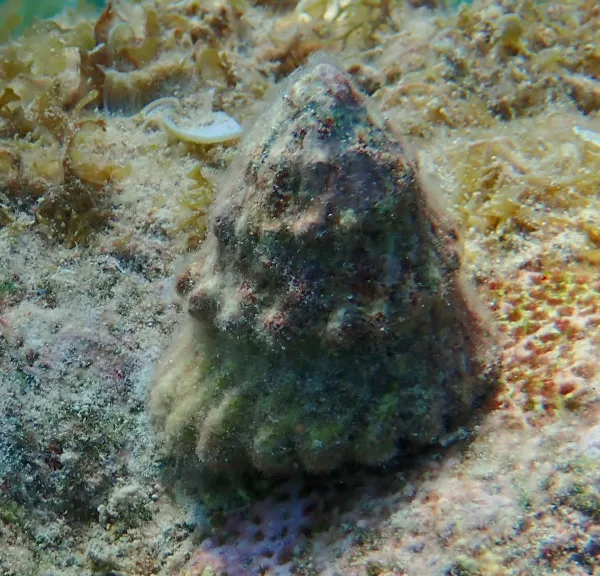
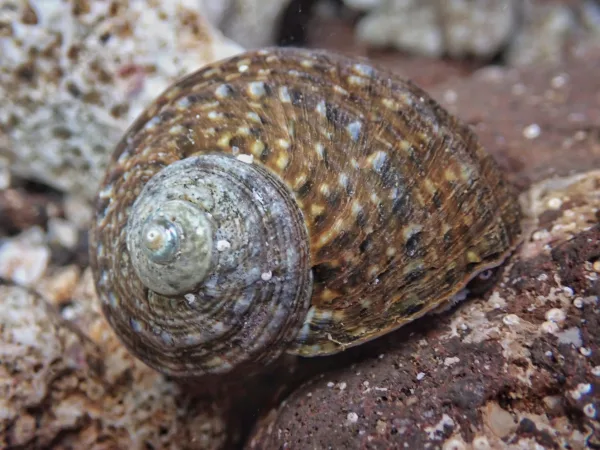
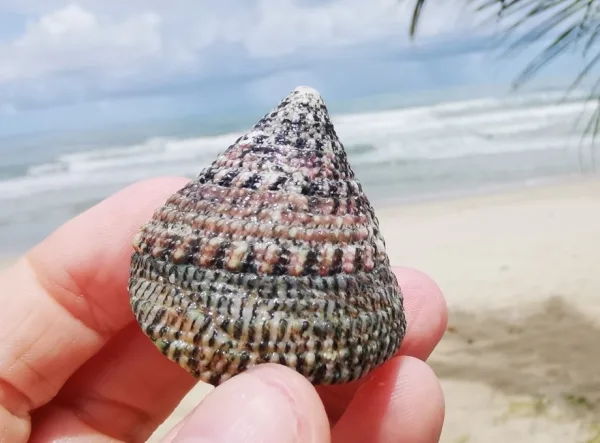
- Astrea snails are small and great on film algae. They can’t flip themselves over if they fall, so help them up when you see one upside down.
- Turbo snails are algae-eating machines, but they’re big and can knock over loose rock and frags. Fewer, in bigger tanks.
- Trochus snails graze well and can right themselves, which makes them a great all-rounder.
Sand cleaners
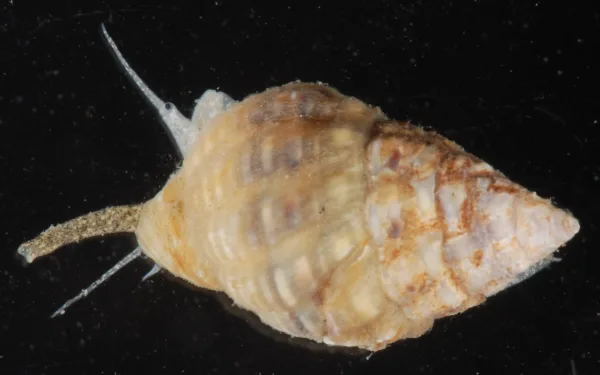
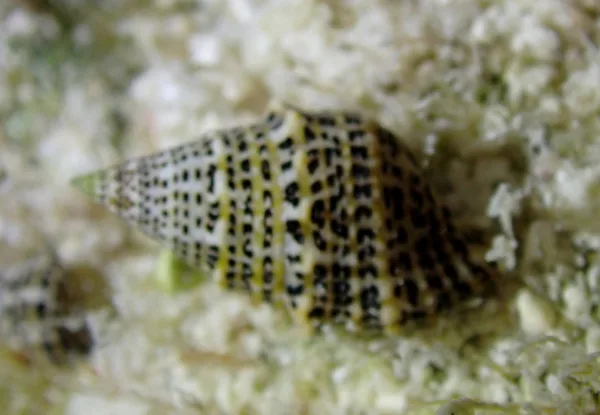
- Nassarius snails live buried in the sand and pop up when they smell food. They eat leftovers and keep the sand turned over.
- Cerith snails graze both sand and glass and clean film algae from the sand surface.
Crabs and shrimp
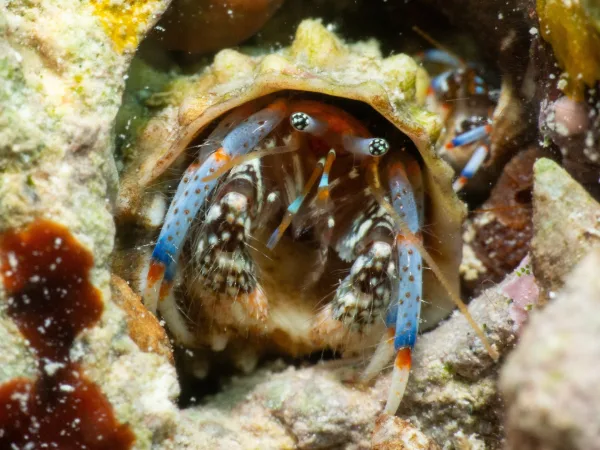 Blue Leg Hermit CrabClibanarius tricolor
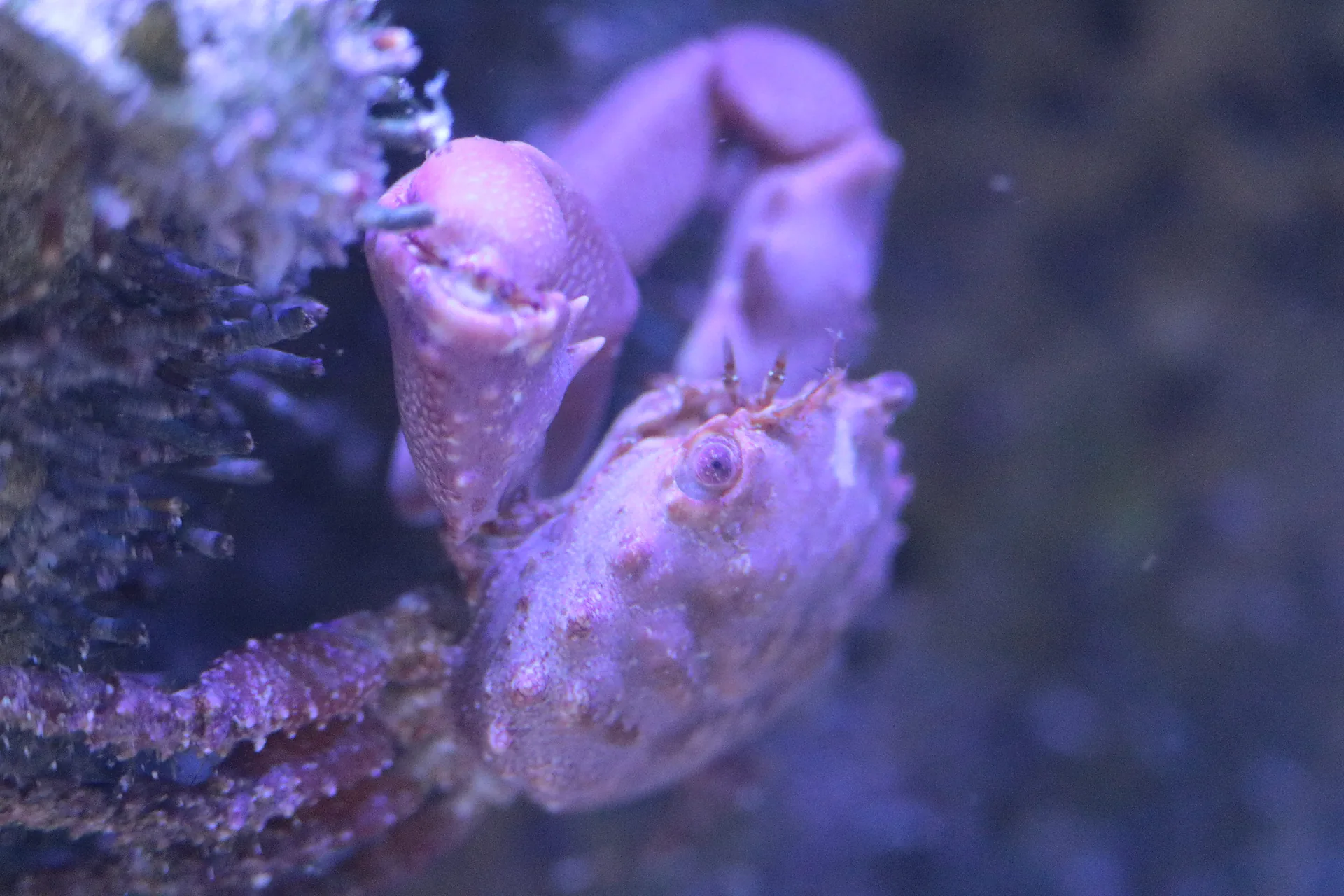
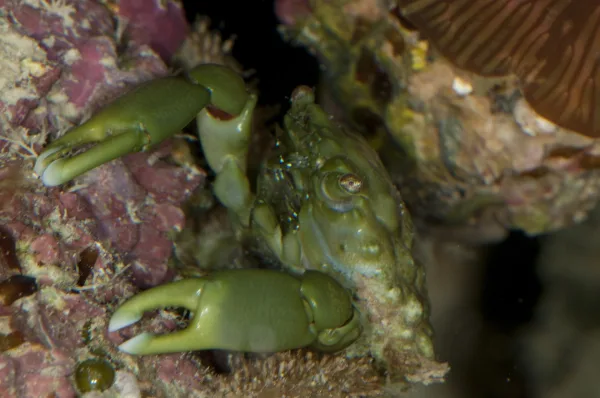 Emerald CrabMithraculus sculptus
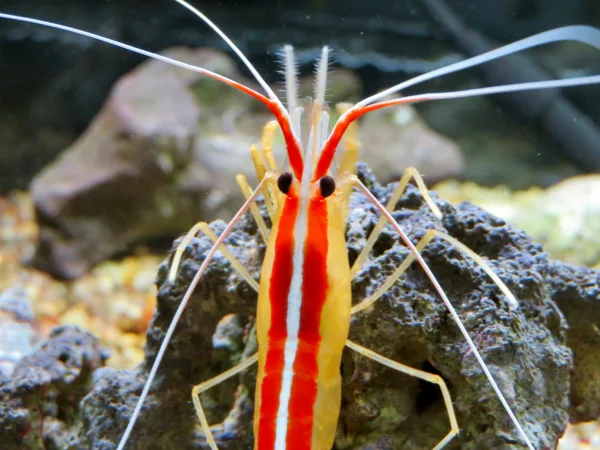 Skunk Cleaner ShrimpLysmata amboinensis
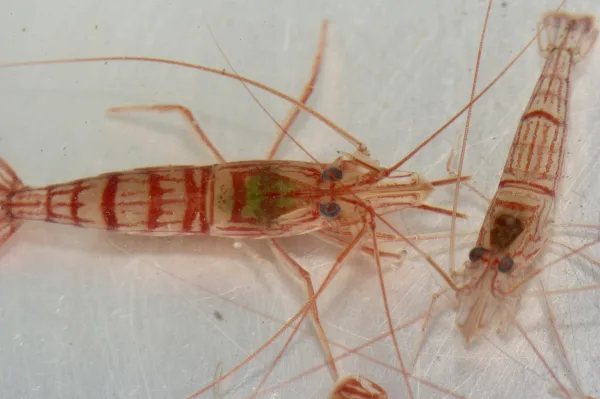 Peppermint ShrimpLysmata wurdemanni
- Blue leg hermit crabs are small, cheap and busy. Hermits sometimes kill snails to take their shells, so add a handful of empty shells in a few sizes.
- Emerald crabs are known for eating bubble algae.
- Skunk cleaner shrimp clean fish and eat leftovers, and they’re fun to watch.
- Peppermint shrimp are the go-to for eating aiptasia, the pest anemone.
How many to start with
For a tank that has just finished cycling, these are the starting counts from our guide Clean-Up Crew for a 20, 40 or 75 Gallon Reef Tank, which also covers conchs and what each animal eats:
- 20 gallons: 4 algae snails (astrea or nerite), 2 nassarius snails, 2 blue leg hermits.
- 40 gallons: 8 algae snails (a mix of turbo, astrea and trochus), 4 sand-bed snails, 4 hermits, an emerald crab, 2 peppermint shrimp.
- 75 gallons: 15 algae snails, 7 sand-bed snails, 7 hermits, 2 emerald crabs, 3 peppermint shrimp.
Add them over a few weeks rather than all at once, and add more only if algae keeps winning.
Older advice of “one snail per gallon” was written for tanks with a lot more algae than a well-run tank has today. Buy for the algae you actually have.
The mistakes that starve a crew
- Too big, too soon. A brand-new tank has very little food. Add your crew in stages over a couple of months.
- A sand-sifting starfish in a small tank. They empty the sand of food quickly and slowly starve. We only recommend them in big, mature tanks.
- Copper or medicine in the display. Snails, shrimp and crabs are very sensitive. Treat fish in a quarantine tank instead.
- No extra food. Once the algae is under control, a crew needs a little help. A sinking pellet or an algae wafer now and then keeps them going.
Acclimate them slowly
Invertebrates handle salinity changes worse than fish. Drip-acclimate them over about an hour so they adjust gently; our acclimation guide shows how. Browse our invertebrates for what’s in stock now, and if you’re not sure what your tank needs, post its size and a picture link in the Support forum.