Quarantine: The Habit That Protects Your Whole Tank
If there’s one habit that separates tanks that thrive for years from tanks that crash, it’s quarantine. One new fish carrying a parasite can infect everything in your display, and once a disease is in a reef tank, it’s very hard to get out: most fish medicines would kill your corals and invertebrates.
Quarantine means keeping each new fish in a separate tank for a few weeks before it joins your display. If something shows up, you treat a small tank instead of losing a big one.
What quarantine protects against
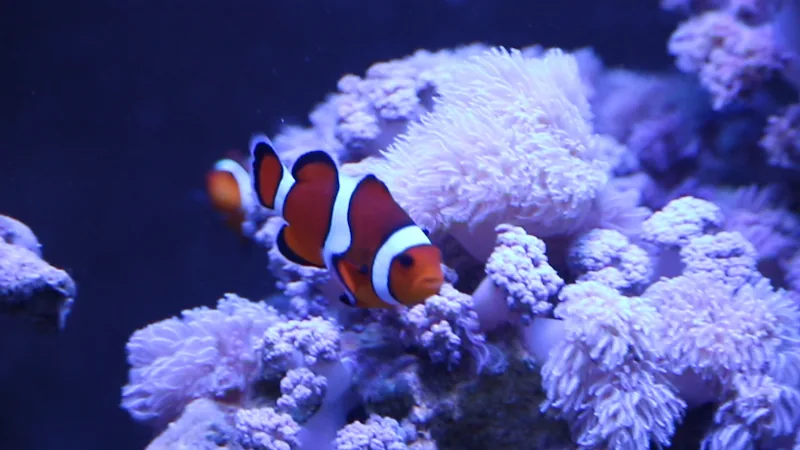
The usual suspects in saltwater are marine ich (white spots like salt grains), velvet (a fine gold or gray dust that moves very fast), brooklynella (common in clownfish), and flukes. All of these can spread through a display in days. A few weeks in quarantine gives them time to show themselves.
A simple quarantine tank
You don’t need anything fancy. A spare glass tank in a quiet corner is plenty.
- A 10–20 gallon tank with a lid. Fish are stressed and more likely to jump.
- A heater set to the same temperature as your display.
- A sponge filter that has been sitting in your display’s sump or filter for a few weeks, so it’s already full of good bacteria.
- A few pieces of PVC pipe for hiding places. No sand and no rock: they soak up medication and hide parasites.
- Saltwater from your display to fill it, so salinity and temperature match.
Keep a test kit for ammonia handy. A quarantine tank is small and has little bacteria, so do frequent small water changes while it holds fish.
How long to keep fish there
We suggest at least four weeks after a fish arrives, and longer if anything shows up during that time. Watch every day for:
- white spots, a dusty coating, cloudy eyes or fins
- fast breathing, scratching against things, or hiding constantly
- not eating, or wasting away even while eating
A fish that’s eating well, breathing normally and looking clean for four weeks is ready to join the display.
When something does show up
Different diseases need different treatments, and some treatments, especially copper, need careful testing to be safe for fish. Never add fish medicine to a reef tank. If you see signs of disease, post what you see in the Support forum, with photos linked if you can, and our team will help you work out what it is before you treat anything.
What about corals and invertebrates?
They can’t carry fish diseases quite the same way, but they can bring in pests like flatworms, nudibranchs and aiptasia. Dip corals before they go in and look them over closely. Many experienced reefers also hold new corals in a separate tank for a couple of weeks.
Even healthy-looking fish
A fish can look perfect in the store and still carry something. Shipping and a new home are stressful, and stress is when hidden problems show up. A quarantine tank is cheap insurance. Read our acclimation guide for getting new arrivals settled.