Advice & Blog · Question of the Week
Question of the Week: What’s the one piece of equipment new reef keepers skip that they shouldn’t?
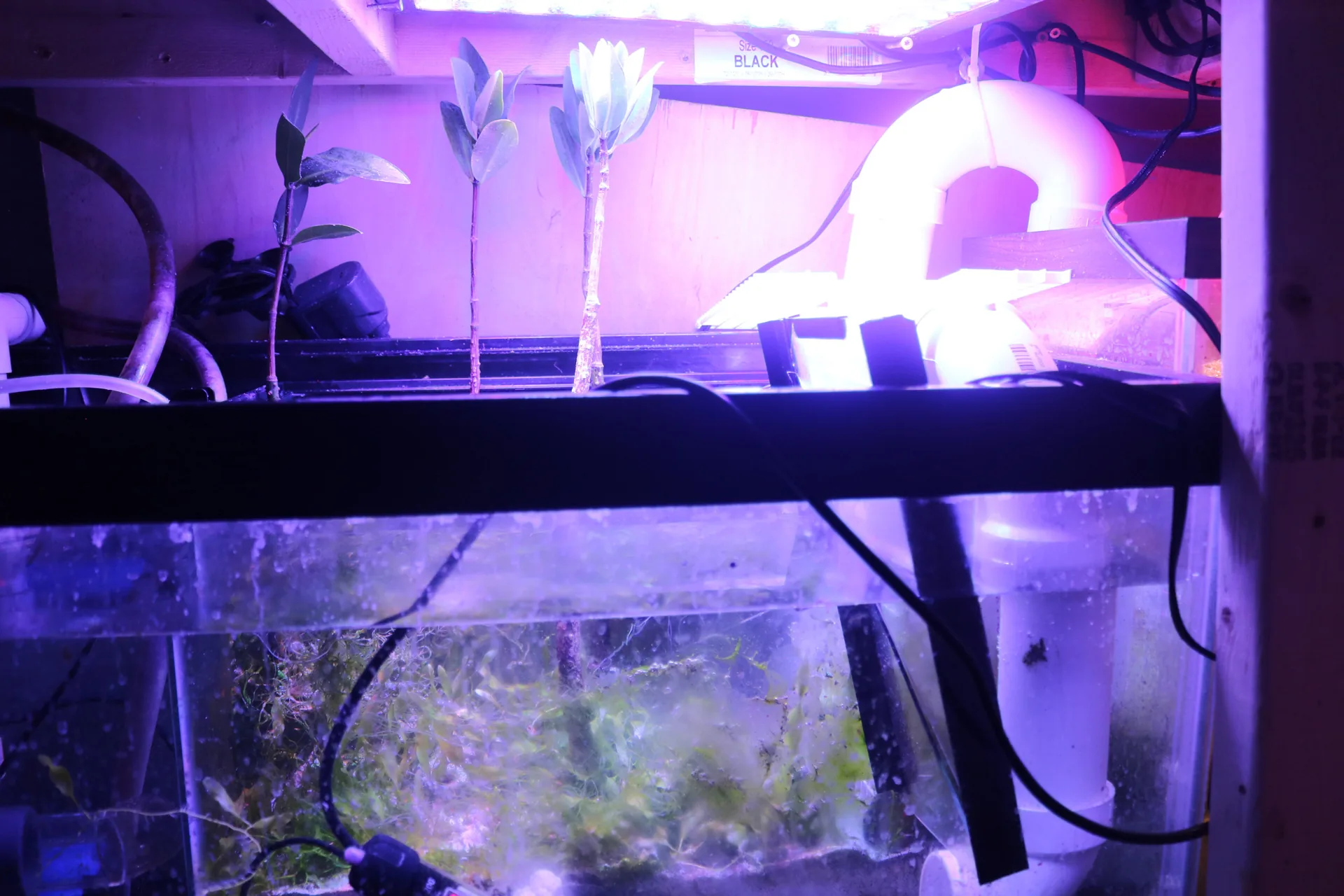
This week’s question: What’s the one piece of equipment new reef keepers skip that they shouldn’t?
We’re kicking off the Question of the Week with one we hear all the time at the shop. From here on, the questions come from you: send yours in and we pick one at random every week.
My answer: an auto top-off
If we could hand every new reef keeper one thing, it would be an auto top-off (ATO). It isn’t exciting. It doesn’t make corals glow or fish swim faster. But in more than 18 years of keeping freshwater and saltwater tanks, it has saved more tanks than any light or pump we’ve owned.
Here’s why. Water evaporates from your tank every day, but salt doesn’t. As the water level drops, the salt that’s left gets more concentrated, so your salinity creeps up. In a small tank it can climb surprisingly fast: a 20 gallon reef can lose a gallon or more a day in a warm, dry house. Corals, snails and shrimp feel those swings long before you see them on a refractometer.
An ATO is a sensor and a small pump. When the water level drops, it adds fresh RO/DI water (never saltwater) from a reservoir until the level is back where it should be. Salinity stays steady, day and night, whether you’re home or not.
What to look for
- Two sensors, or a sensor plus a timer limit. If one sensor sticks, the second one (or the run-time limit) stops the pump. A stuck top-off that empties a reservoir into a tank is the classic ATO disaster.
- A reservoir sized for your trips. Measure how much you lose in a day and get a container that holds at least a week’s worth.
- Optical or float sensors you can reach to clean. Snails and coralline algae love to sit on sensors.
- Fresh water only. Top off with RO/DI water. Saltwater goes in only when you do water changes.
The runner-up: a heater controller
If an ATO is number one, a separate heater controller is a very close second. Heater thermostats do fail, and when one sticks “on,” it can cook a small tank overnight. A controller with its own probe cuts the power if the water gets too warm. Two smaller heaters instead of one big one helps too: if one fails, the other carries on, and a single stuck heater can’t overheat the tank as fast.
And keep a few spares
A spare return pump or powerhead, a spare heater, a bag of salt and a battery-powered air pump cost very little next to the livestock they protect. Things break on weekends and holidays, when stores are closed.
The short version
- Get an auto top-off with a failsafe before you buy your first coral.
- Put your heater on a controller, or use two smaller heaters.
- Keep spares on the shelf.
None of this is glamorous, but stable water is what keeps reef animals alive. If you’re setting up a first tank, our guide How to Start a Saltwater Aquarium walks through the rest of the equipment list, and our team is happy to answer questions in the Support forum.
Have a question for next week? Send it in. If we pick yours, we’ll email you when the answer is up.