Your First Corals: 8 Hardy Picks for a New Reef Tank
Your first corals should be forgiving. A young reef tank’s water chemistry still wobbles, and you’re still learning your lights and flow. The corals below put up with that, grow fast enough to be rewarding, and don’t need high-end lighting. They’re the ones we recommend most to first-time reefers.
Wait until your tank has finished cycling and has run steadily for a few weeks with a fish or two before you add corals.
Soft corals: the easiest start
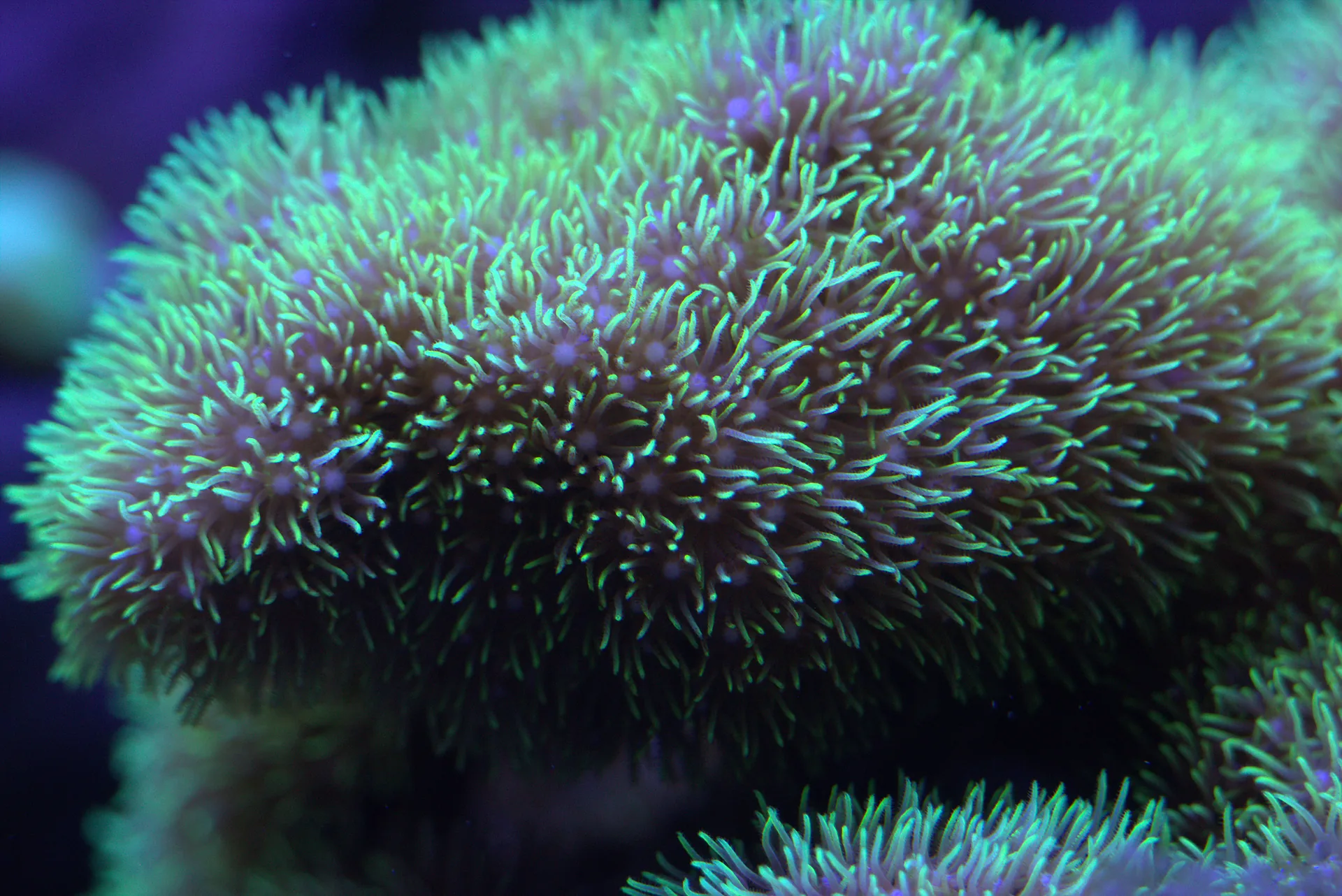
Green Star Polyps
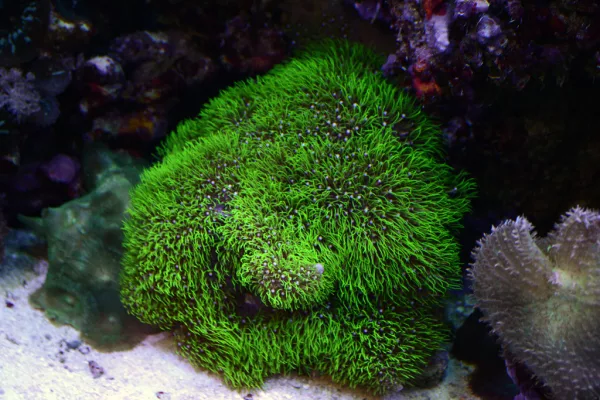
Green Star Polyps form a purple mat covered in waving green polyps. They’re nearly unkillable and grow fast. That’s the catch: they’ll carpet rock and even glass. Put them on a rock island or a frag plug well away from other corals.
Zoanthids
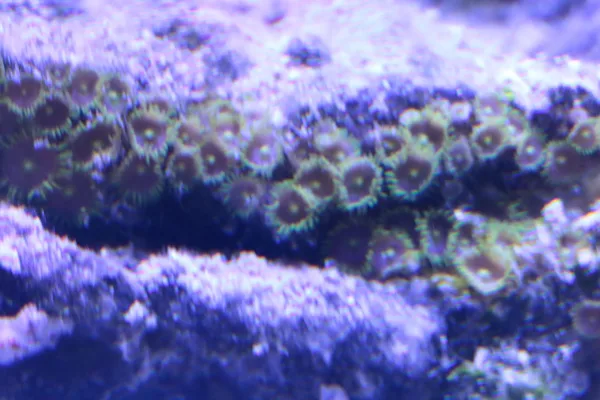
Zoanthids come in hundreds of colors and patterns, and a small frag grows into a colorful garden. They’re hardy and happy under moderate light. Wear gloves and wash your hands after handling them, and protect your eyes when cutting or scrubbing rock: some contain a strong toxin called palytoxin.
Mushroom corals
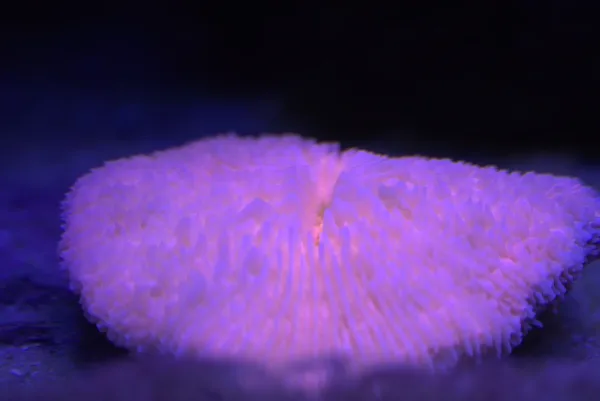
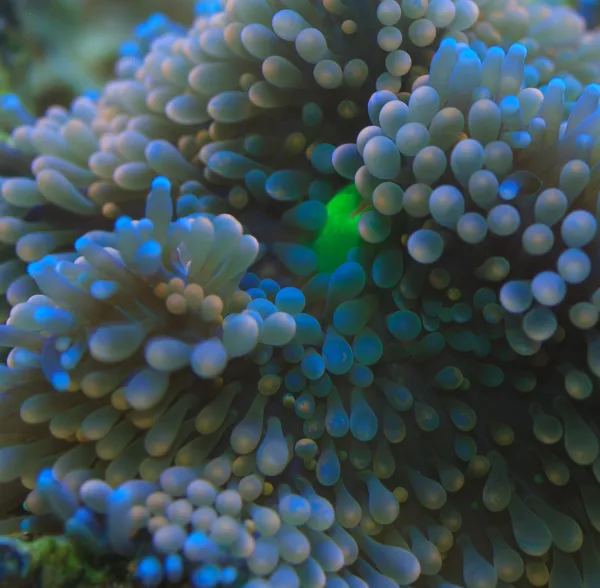
Discosoma mushrooms and Ricordea prefer low to moderate light and gentle flow, which makes them perfect for the lower parts of a new tank. They slowly spread by splitting.
Toadstool Leather
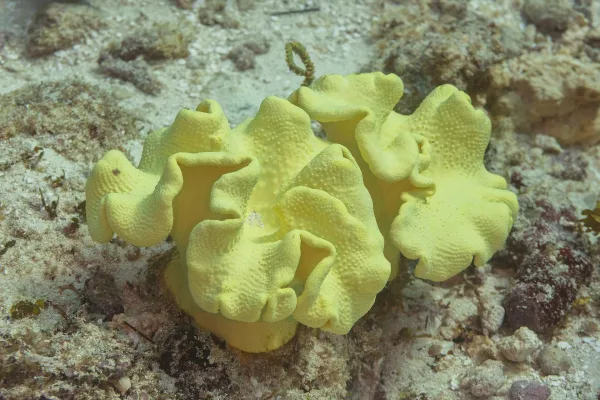
The Toadstool Leather grows into a big mushroom-shaped coral with a skirt of polyps. It sometimes closes up for a few days while it sheds a waxy skin; that’s normal. Leathers release chemicals that can bother some other corals, so run fresh carbon if your tank holds a lot of them.
Kenya Tree
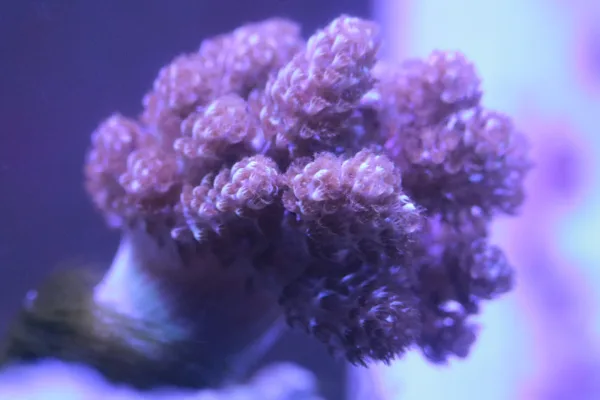
The Kenya Tree is a soft, branching coral that’s almost impossible to kill. It drops small branches that root and grow, so it can spread.
LPS: the next step
Large-polyp stony (LPS) corals have a hard skeleton and big fleshy polyps. These three are among the easiest.
Duncan Coral
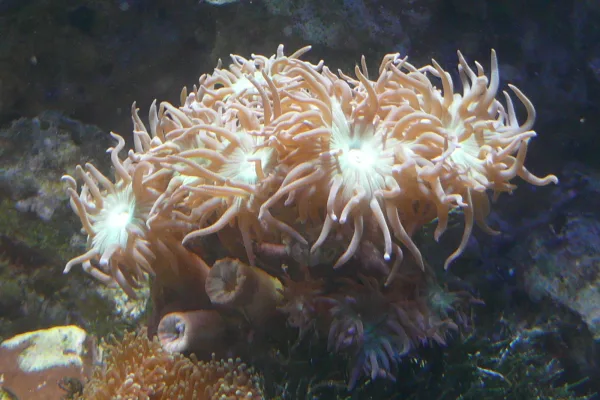
The Duncan Coral is a bundle of tubes topped with big round polyps. It’s peaceful by LPS standards, eats bits of meaty food, and keeps adding new heads.
Hammer and Frogspawn
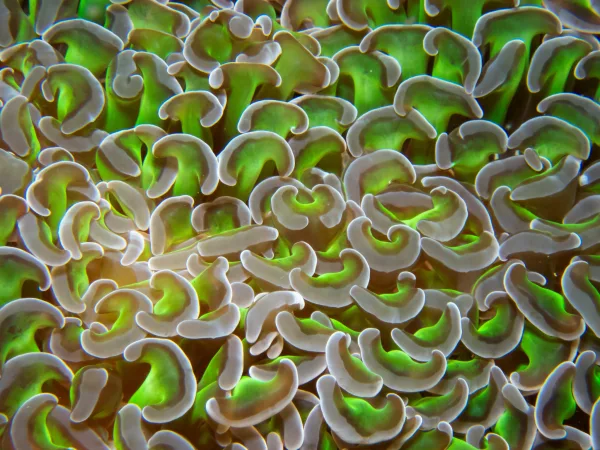
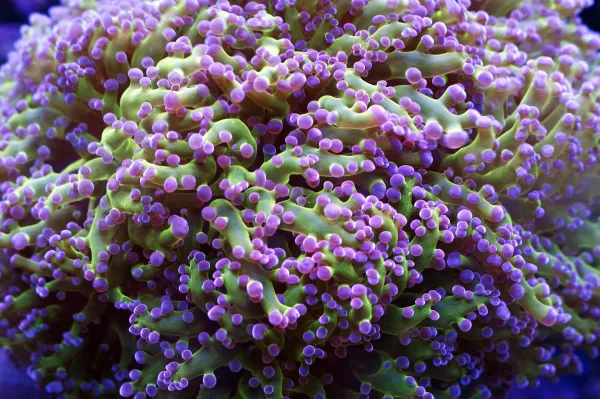
Hammer and Frogspawn corals are flowing, eye-catching, and some of the best-loved corals in the hobby. They grow long sweeper tentacles at night that sting neighbors, so give them about 6 inches of space. They can be kept next to each other.
Placing and adding corals
- Start low, then move up. Place new corals in the lower half of the tank and move them up over a couple of weeks if they look happy. Too much light too soon bleaches them.
- Medium flow. Polyps should sway, not be blasted flat.
- Dip new corals. A coral dip and a close look for pests (flatworms, nudibranchs, bad hitchhikers) before they go in saves a lot of trouble.
- Leave space. Corals grow, and many sting each other.
- Test alkalinity. Once you have stony corals, alkalinity becomes the number to watch. Keep it steady more than perfect.
Ready to go?
See our current corals in stock, or read how to acclimate saltwater fish, corals and invertebrates. If a coral isn’t opening up, post a picture link in the Support forum with your light, flow and test results, and we’ll help you figure it out.