Diatoms, Algae and the Ugly Phase: Why Your New Tank Looks Worse Before It Looks Better
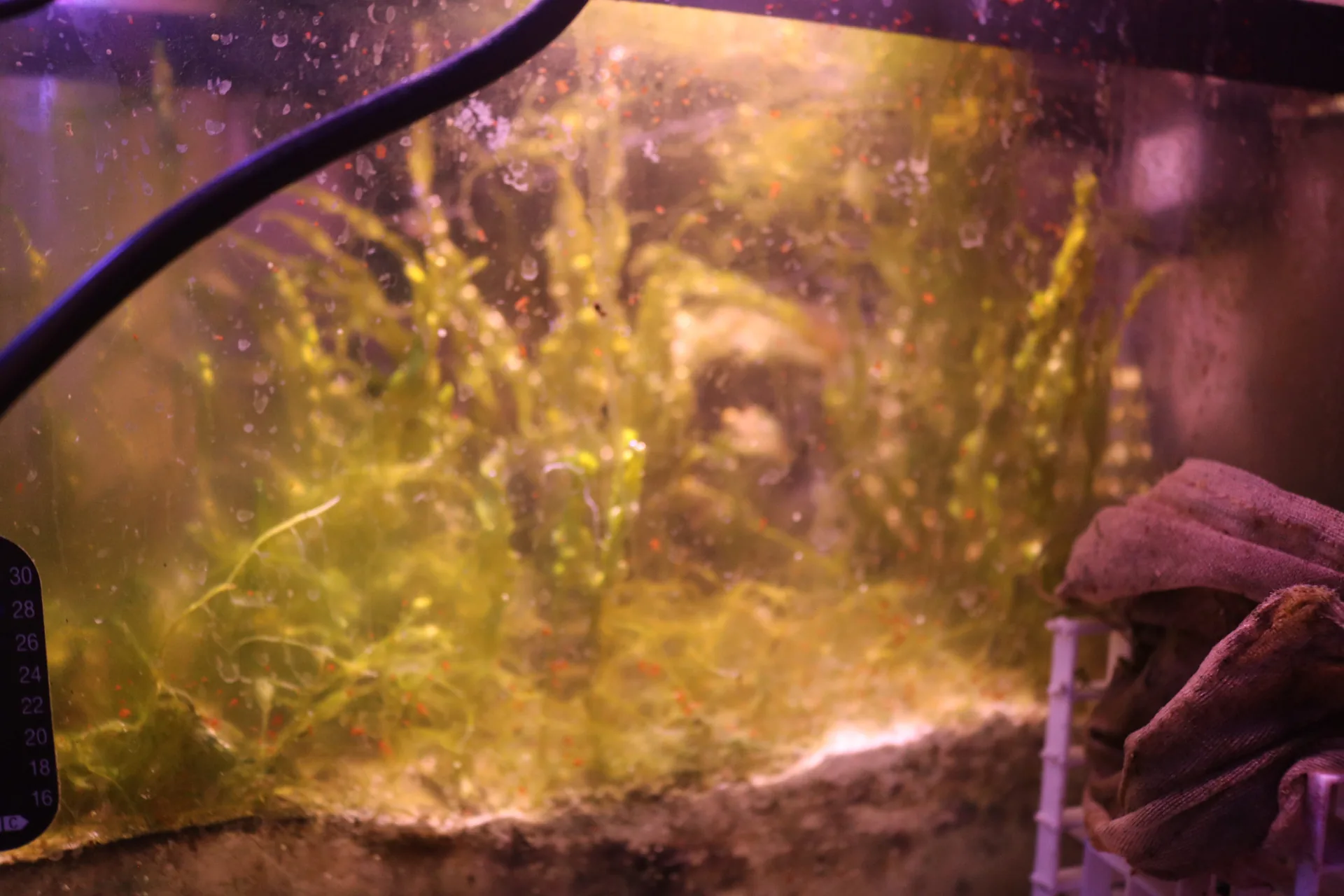
You did everything right. The tank cycled, the water tests perfectly, and then brown dust covers the sand, the glass grows green film and something stringy appears on the rock. Welcome to the “ugly phase.” Nearly every new tank goes through it.
The good news: it passes. The trick is not to panic and start throwing chemicals at it.
Why it happens
A new tank has lots of nutrients (from the cycle, the rock and the sand) and very little living in it to use them up yet. Algae and diatoms are simply the first things to move into that empty space. As your tank matures, bacteria, corals, coralline algae and your clean-up crew compete for the same nutrients and the nuisance stuff fades.
What you’ll probably see
Brown dust: diatoms
A brown, dusty coating on sand and glass, usually in the first month or two. Diatoms feed on silicate, which new sand and rock release, and which can come in with tap water. What helps: RO/DI water for top-off and water changes, a few snails, and time. They usually vanish on their own in a few weeks.
Green film on the glass
Normal in any tank, young or old. What helps: a magnetic glass cleaner a few times a week and a couple of algae-grazing snails.
Hair algae
Long green strands on rock. This is the one that can get out of hand. What helps: remove as much as you can by hand, keep feeding modest, run your skimmer, and make sure your light isn’t on longer than about 8–10 hours. Grazers like a lawnmower blenny (in a big enough tank), turbo snails or an emerald crab help once you’ve knocked it back.
Red slime: cyanobacteria
A red or purple sheet on the sand that peels off like plastic wrap. It loves dead spots with low flow. What helps: more flow where it grows, siphon it out during water changes, check that your RO/DI filter is still producing pure water, and don’t overfeed.
What not to do
- Don’t chase it with chemicals right away. Most algae problems in a new tank solve themselves with time and good habits.
- Don’t starve your fish. Feed less, not nothing.
- Don’t turn off the lights for weeks. A short blackout of a few days can help with cyano, but long ones hurt corals.
- Don’t chase zero nutrients. Corals need a little nitrate and phosphate too. Ultra-clean water with zero nutrients can cause its own problems.
When to ask for help
Most of the ugly phase is harmless. Post in the Support forum if you see brown or golden snotty strings with bubbles that come back overnight (possibly dinoflagellates), if livestock starts dying, or if algae is still spreading after three months. Include your tank size and age, your light schedule, and your nitrate and phosphate readings.
Still at the very start? Read How to Cycle a New Saltwater Tank and How Big a Clean-Up Crew Do You Need?